

News
FG Bans Importation of Recharge Cards, Others

Federal government has banned the importation of a lot of materials which could be made of Nigeria or may lead to waste, in a bid to improve the country’s economy and to avoid being a dumping ground for western countries.
Top on the list of products banned are telephone re-charge cards and vouchers; noodles; second hand cars (tokunbo ); live or dead Bbirds including frozen poultry .
According to information on Nigeria Customs Service (NCS) website also banned are ; medicaments falling under headings 3003 and 3004 and they include: Paracetamol Tablets and Syrups; Cotrimoxazole Tablets Syrups; Metronidazole Tablets and Syrups; and Chloroquine Tablets and Syrups;
Also banned are; Haematinic Formulations; Ferrous Sulphate and Ferrous Gluconate Tablets, Folic Acid Tablets, Vitamine B Complex Tablet [except modified released formulations; and Multivitamin Tablets, capsules and Syrups [except special formulations]; Aspirin Tablets [except modified released formulation and soluble aspirin]; Magnesium trisilicate tablets and suspensions; Piperazine tablets and Syrups; Levamisole Tablets and Syrup; Clotrimazole Cream; Ointments – Penecilin/Gentamycin; Pyrantel Pamoate tablets and Syrups; and Intravenous Fluids [Dextrose, Normal Saline, etc.]
The full import prohibition list
1. Live or Dead Birds including Frozen Poultry – H.S. Codes 0105.1100 – 0105.9900, 0106.3100 – 0106.3900, 0207.1100 – 0207.3600 and 0210.9900

2. Pork, Beef – H.S. Codes 0201.1000 – 0204.5000, 0206.1000 – 0206.9000, 0210.1000 – 0210.2000.
3. Birds Eggs – H.S. Code 0407.0000.
4. Refined Vegetable Oils and Fats – H.S. Code 1507.1000 – 1516.2000.29 [but excluding Linseed, Castor and Olive oils. Crude vegetable oil are however NOT banned from importation].
5. Cocoa Butter, Powder and Cakes – H.S. Codes 1802. – 1803.2000, 1805.0000, 1806.1000 – 1806.2000 and 1804.0000.
6. Spaghetti/Noodles – H.S. Codes 1902.1100 – 1902.3000.
7. Fruit Juice in Retail Packs – H.S. Codes 2009.110012 – 2009.110013 – 2009.9000.99
8. Waters, including Mineral Waters and Aerated Waters containing added Sugar or Sweetening Matter or Flavoured, ice snow – H.S. Codes 2202.1000 – 2202.9000, other non-alcoholic beverages H.S. Code 2202.1000 – 2202.9000.99 [ but excluding energy or Health Drinks {Liquid Dietary Supplements} e.g. Power Horse, Red Ginseng etc] H.S. Code 2202.9000.91 and Beer and Stout (Bottled, Canned or Otherwise packed) H.S. Code 2203.0010.00 – 2203.0090.00
9. Bagged Cement – H.S. Code 2523.2900.22.
10. Medicaments falling under Headings 3003 and 3004 as indicated below:
1. Paracetamol Tablets and Syrups
2. Cotrimoxazole Tablets Syrups
3. Metronidazole Tablets and Syrups
4. Chloroquine Tablets and Syrups
5. Haematinic Formulations; Ferrous Sulphate and Ferrous Gluconate Tablets, Folic Acid Tablets, Vitamine B Complex Tablet [except modified released formulations].
6. Multivitamin Tablets, capsules and Syrups [except special formulations].
7. Aspirin Tablets [except modified released formulation and soluble aspirin].
8. Magnesium trisilicate tablets and suspensions.
9. Piperazine tablets and Syrups
10. Levamisole Tablets and Syrups
11. Clotrimazole Cream
12. Ointments – Penecilin/Gentamycin
13. Pyrantel Pamoate tablets and Syrups
14. Intravenous Fluids [Dextrose, Normal Saline, etc.]
11. Waste Pharmaceuticals – H.S. Code 3006.9200
12. Soaps and Detergents – H.S. Code 3401.1100 – 3402.9000 in retail packs
13. Mosquito Repellant Coils – H.S. Code 3808.9110.91.
14. Sanitary Wares of Plastics – H.S. Code 3922.1000 – 3922.9000 and Domestic Articles and Wares of Plastics H.S. Code 3924.1000 – 3924.9000.00 [but excluding Baby Feeding bottles 3924.9020.00] and flushing ceinstern and waterless toos toilets.
15. Rethreaded and used Pneumatic tyres but excluding used trucks tyres for rethreading of sized 11.00 x 20 and above 4012.2010.00.
16. Corrugated Paper and Paper Boards – H.S. Code 4808.1000, and cartons, boxes and cases made from corrugated paper and paper boards H.S. Code 4819.1000, Toilet paper, Cleaning or facial tissue – H.S. Code 4818.1000 – 4818.9000 excluding baby diapers and incotinent pads for adult use 4818.4000.41 and Exercise Books – H.S. Code 4820.2000.
17. Telephone Re-charge Cards and Vouchers – H.S. Code 4911.9900.91
18. Textile Fabrics of all types and articles thereof and Yarn falling under the following H.S. Codes remain under import prohibition;
1. African print [Printed Fabrics] e.g. Nigeria wax, Hollandaise, English Wax, Ankara and similar Fabrics under the following H.S. Codes – 5208.5110 – 5208.5900, 5209.5100 – 5209.5900, 5212.5100, 5212.5100, 5212.2500, 5407.4400, 5407.5400, 5407.7400, 5407.8400, 5407.9400, 5408.2400, 5408.3400, 5513.4100 – 5513.4900, 5514.4100 – 5514.4900, 5516.1400, 5516.2400, 5516.3400, and 5514.4900.00
2. Carpets and Rugs of all types falling under H.S. Codes 5701.1000 – 5705.0000.
But excluding the Following:
3. Lace Fabrics, Georges and other embroided Fabrics falling under H.S. Codes 5801.2100 – 5801.9000, 5802.1100 – 5802.3000 and 5805.0000.00
4. Made-up Garments and other Textile articles falling under H.S. Codes 6101.2000 – 6310.9000.99
19. All types of Foot Wears and Bags including Suitcases of leather and plastics H.S. Codes 6401.1000.11 – 6405.9000.99 and 4202.1100.10 – 4202.9900.99 [but excluding Safety Shoes used in oil industries, Hospitals, Fire fighting and Factories, Sports Shoes, canvass shoes all Completely Knocked Down (CKD) blanks and parts]
20. Hollow Glass Bottles of a capacity exceeding 150mls (0.15 litres) of a kind used for packaging of beverages by breweries and other beverage and drink companies – H.S. Code 7010.9021.29 and 7010.9031.00.
21. Used Compressors – H.S. Code 8414.3000, Used Air Conditioners – H.S. Codes 8415.1000.11 – 8415.9000.99 and Used Fridges/Freezers – H.S. Codes 8418.1000.11 – 8418.6900.
22. Used Motor Vehicles above fifteen (15) years from the year of manufacture – H.S. Codes 8703.1000 – 8703.9000
23. Furniture – H.S. Codes 9401.1000.00 – 9401.9000.99 and 9403.1000 – 9404.9000, but excluding Baby walkers, laboratory cabinets such as microscope table, fume cupboards, laboratory benches (9403), Stadium Chairs, height adjustments device, base sledge, seat frames and control mechanism, arm guide and headguides. Also excluded are; skeletal parts of furniture such as blanks, unholstered or unfinished part of metal, plastics, veneer, chair shell etc. Also excluded are Motor Vehicle seats (9401.2000.00) and Seats other than garden seats or camping equipment, convertible into beds (9401.4000.00)
24. Ball Point Pens – H.S. Code 9608.1000
Goods: Shedule 4 The Importation of which is Absolutely Prohibited


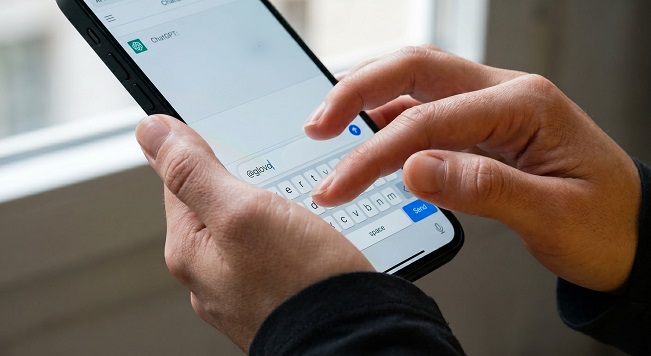
Glovo, a multi-category tech company, has announced its integration into the generative AI ecosystem with the launch of its “Shopping Assistant” for ChatGPT and Claude. Users can now discover retail products, compare prices, and seamlessly order any item using natural conversational language with the AI systems.

The Glovo experience inside such platforms introduces a conversational commerce model that shifts from a search-based web to an intent-based web. Rather than navigating traditional app menus and filters, users can express needs, such as asking for a “last-minute gift for a coffee lover under ₦50,000”, and the assistant handles semantic search, location validation, and product curation.
A Seamless, Concierge-Like Experience
Once both platforms have been connected through either ChatGPT or Claude apps, the user will be able to have a multi-turn dialogue where the assistant remembers context and constraints, such as budget caps. Users receive a visual carousel of up to five highly customised product options available at local stores. Each product displays its image, name, store details and ratings, and price. While the search and discovery experience takes place directly on the Generative AI platforms, selecting a product via the “view on Glovo” button takes the user to the Glovo mobile or web app, where the payment and final purchase are exclusively completed.
Strategic Focus on Retail and Growth
Glovo is prioritising the retail and grocery sectors for this initial launch, capturing the established habit of using AI for product research. Generative AI has driven a significant jump in retail traffic globally, so this first-mover advantage aims to meet customers where they are meeting Gen AI daily, and ensure it captures high-intent organic traffic as search behaviours evolve.
“We’re always looking for ways to meet our customers where they already are. Being available on Claude and ChatGPT means people can discover what Glovo has to offer as part of a natural conversation, with no friction. Glovo has always been about being the everyday app that provides choice and convenience, and this is another step in that direction”, said Shiro Theuri, Chief Technology Officer at Glovo.
How to look for products in the Glovo app through ChatGPT or Claude
- The user must sync ChatGPT or Claude with the Glovo app with the plug-in.
- Once synced, the user must type in @glovo followed by their request.
- The AI platform displays a carousel with 5 available options for the user.
- If the user wants to purchase any of the products or continue searching within the Glovo app, they must click “View on Glovo”, which will redirect the user to the Glovo app or website.
- After the order is confirmed, the store will prepare the item(s) and the courier will head up to the pick-up location. The user will receive the order in minutes.

Southeast Asia cybercrime networks are expanding operations into Africa as crackdowns intensify in the subregion, according to a recent report from the United Nations Office on Drugs and Crime (UNODC).

The massive, unintended geographic shift triggered by intense pressure from international task forces in Myanmar and Cambodia,have seen highly sophisticated criminal networks now establishing footholds in major tech hubs across Kenya and Nigeria, transforming local technical talent into accomplices for industrial-scale digital theft as reported by https://streamlinefeed.co.ke/
This strategic migration represents a critical evolution in the $17 billion crypto scam economy.
Transnational scam syndicates are organized criminal networks that run industrial-scale online fraud using trapped or trafficked labor.
The UNODC has documented this diversification, noting that African nations are increasingly targeted as operational bases due to robust internet infrastructure and a surplus of unemployed tech workers.
In response, local authorities are engaged in a frantic game of catch-up against well-funded foreign cartels.
Recall that in 2025, UNODC, described the shift as part of a broader trend in which crime “spreads like a cancer,” into regions with weaker enforcement and limited digital safeguards.
The report pointed to the rapid proliferation of online fraud operations, including cryptocurrency scams and phishing schemes, moving from countries like Myanmar and Cambodia into new footholds in Africa—particularly Nigeria.
A recent case publicized June 12, 2025 by the WeChat public account West Africa Chinese Voice illustrates the trend: Nigeria’s Economic and Financial Crimes Commission (EFCC) arrested 177 Chinese nationals in Lagos and Abuja between December 2024 and January 2025.
The suspects were allegedly running scam centers under the guise of corporate offices, where local Nigerians were trained to carry out online investment frauds—many following the “pig-butchering” model, which builds trust with victims before luring them into fraudulent crypto investments.
Authorities seized hundreds of SIM cards, high-performance computers, and prewritten scam scripts during the raids

Ugochukwu Eze, a 47 year-old man, was on Thursday arraigned before a Federal High Court in Lagos for allegedly hacking into the server of SunTrust Bank to steal a total of N800m.

Ugochukwu also known as Amazon, was arraigned before the court by the operatives of the Department of State Security (DSS).
DSS accused Ugochukwu of fraudulently hacking into the server of SunTrust Bank to remove and divert the sum of N800 million into several accounts in other financial institutions.
M. Bajela,prosecuting counsel, DSS, in the charges filed before the court alleged that the defendant and others now at large, between 2023 and 2026, conspired among themselves and unlawfully and seriously hindered the function of Suntrust Bank Plc’s computer system server and in the process fraudulently diverted over N800 million belonging to the bank.
Ugochukwu was also accused of concealing and transferring various sums of money traced to the unlawful cyber-attacks to some account in some financial institutions.
The offences alleged to have been committed by the defendant according to the prosecutor contravened sections 5; 6(1) and 8 of Cybercrimes (Prohibition, Prevention etc) Act, 2024. And Sections 10, 20 and 18(2)(D) of the Money Laundering (Prevention and Prohibition) Act, 2022.
The defendant pleaded not guilty to the allegations.
Based on his plea of not guilty, the prosecutor asked the court for a trial date, and prayed the court to remand the defendant in the facility of the correctional services pending the time trial will commence.
However, E. Afrogha, defendant’s lawyer, told the court that she has filed her client’s bail application. adding that her client has been in the DSS custody for over a month.
But the prosecution counsel told the court that he has not been served with the bail application, not withstanding that his witnesses are available.
Based on the counsels’ submissions, Justice Friday Ogazi, presiding judge, adjourned the matter to August 24,2026 for hearing of the bail application.
The judge also ordered that the defendant be remanded in the custody of the Nigerian Correctional Services (NCS) pending the hearing of the bail application.
One of the counts against the defendant reads: “That you UGOCHUKWU EZE (AKA AMAZON) (M) (47 YEARS) sometime between 2023 and 2026 in Lagos, and other places within the jurisdiction of this honourable court, unlawfully seriously hindered the function of SunTrust Bank Plc’s computer system, and in the process fraudulently diverted over N800, 000,000.00 (Eight Hundred Million Naira) belonging to the said SunTrust Bank thereby committed an offence contrary to and punishable under Section 8 of the cybercrime (prohibition, prevention etc.) Act, 2024.”

Glovo Pioneers AI Quick-Commerce

Fleeing Southeast Asia Scam Syndicates Find New Homes in Nigeria, Kenya- Report

DSS Arraigns Eze for Allegedly Hacking, Stealing N800m from SunTrust Bank

SEC Unveils Probate/Unclaimed Monies Clinic to Help Families Recover Inherited Investments

We have Multiple Layers of Protection for 281m Accounts in Nigeria – NDIC

From Scarcity to Scale: What Africa Can Learn from India’s Agricultural Transformation

BON Establishes Six Ad Hoc Committees to Modernize Broadcasting

EFCC Busts NIS Visa Overstay Racket, Uncovers N700m in an Account

How EFCC Turned Recovered Loot Into School Supplies for Thousands of Nigerian Students

BVN Enrollments Hit 69.55m- NIBSS




 E-Business3 days ago
Kaspersky Reveals a New Malicious Framework Targeting Cryptocurrency Users with the Use of OkoSpyware

 E-Business3 days ago
CMS T&M Launches TMO Rides to Enable a Faster & Cashless Transport Experience for CMS – Ajah Passengers

 E-Business3 days ago
Nigeria Tightens Data Privacy Compliance as FG Issues Directive to MDAs

 E-Business3 days ago
Firm to recruit over 100 professionals to boost NRS e-Invoicing compliance

 Telecom3 days ago
FG Commences 90,000km Fibre Optic Rollout within Weeks

 E-Financial2 days ago
Access Holdings Deepens Sustainable Finance Impact, Expanding Green Assets to ₦92.14 Billion

 Telecom3 days ago
Dimension Data to Channel Funds to Support Nigerian Fibre Expansion

 E-Financial3 days ago
Zenith Bank Confirms Cyberattack, Says Hackers Accessed Limited Customer Data