The value of security appliances market grew 3.6% year on year in Q2 2013 to reach $11.97 million in revenue in South African, according to the EMEA Quarterly Security Appliance Tracker published by international marketing and research agency IDC.
The Tracker further predicts that the value of the market will increase from $49.59 million in 2012 at a compound annual growth rate (CAGR) of 7.9% to reach $72.46 million in 2017.
CheckPoint, Fortinet, Juniper, and Cisco retained their leading positions in the market, collectively representing 55.5% of market value share in Q2 2013.
Firewalls and unified threat management (UTM) appliances continue to be the primary components of the network security appliances market.
Respectively, these two appliances generated 16.6% and 52.3% of total market revenue in Q2 2013, and are expected to be major revenue contributors through to 2017.
Revenue generated by content management appliances is expected to increase in the short to medium term, largely driven by a rise in unstructured workloads.
In Q2 2013, there were 2,515 units of network security appliances shipped to South Africa. The total units of shipment are expected to increase from 10,789 units in 2012 to 16,515 units in 2017, representing a CAGR of 8.9%.
"Primary adoptions and upgrades of network security appliances are taking place primarily in the financial services, retail, and telecommunications sectors, driven by regulatory compliances such as Payment Card Industry Data Security Standards (PCI DSS)", said Jiaqi Sun, research analyst at IDC South Africa.
"In addition, an increasing volume of targeted threats, such as zero-day attacks, is boosting the demand for real-time network management and software upgrades, as well as data-loss prevention features to minimize the impact on these sectors. Uptake in the government sector is expected to increase, due to IT continuity standards and security management initiatives such as the Cyber Security Framework. These initiatives aim to reduce system deficiencies and secure against losses associated with data breach in government departments."
Price is a key factor in purchase decisions in South Africa, especially for small and medium-sized enterprises (SMEs). Unified solutions such as UTM will be a preferred solution for SMEs, in line with their business strategies for cost reduction, system simplification, and efficiency enhancement. In the short to medium term, the high-end market will continue to prefer standalone firewalls, intrusion and prevention systems (IPS), and content management modules, instead of UTM solutions.
“This is mainly based on their desire for in-depth defense and high-performance appliances in their existing network security systems, which primarily consist of standalone appliances. "In the next five years, technology vendors will face increasing market competition and will aim to enrich their product portfolios through mergers, acquisitions, and strategic partnerships. This will enable them to offer comprehensive network security systems and value-added support services, as well as to differentiate themselves from competitors," concludes Sun.
Firewalls, UTMs Spur Network Security Appliances Market Growth
cwadmin30 Oct 20130 Comments
The value of security appliances market grew 3.6% year on year in Q2 2013 to reach $11.97 million in revenue in South African, according to the EMEA Quarterly Security Appliance Tracker published by…
c
Published by
cwadmin
Trained and practicing journalist passionate about telecommunications, fintech, cybersecurity, and digital economy reporting.
You May Like

Google Issues Urgent Chrome Update to Block Active Attacks

RockPay Launches, Targets Digital Payments through Social Finance

NDIC Still Paying Depositors of 46 Failed MFBs — Sunday
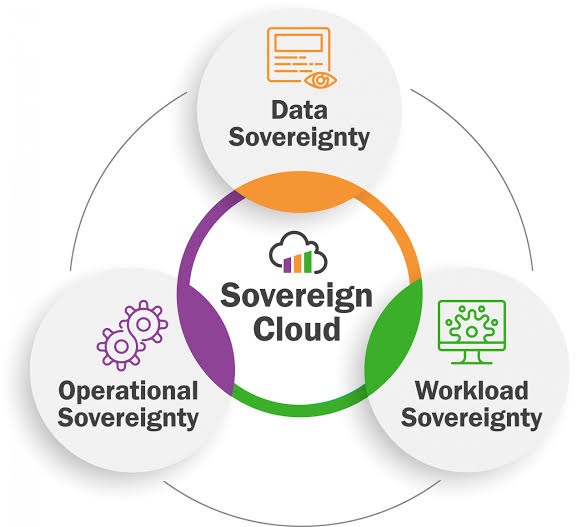
NITDA Inaugurates Taskforce to Drive Sovereign Cloud Implementation

SEC Proposes N2bn Capital Requirement, N30m Registration Fee for Crypto Firms