Nigerian Communications Commission (NCC) and Rural Electrification Agency (REA) have teamed up to develop an initiative that will reduce the $350 million annual spending on diesel by telecom operators in Nigeria.

According to a press statement by Nnenna Ukoha, acting had of Public Affairs, NCC, this collaboration will focus on deploying renewable energy solutions to support telecom infrastructure, particularly in rural and underserved areas.
To that end, the two agencies have inaugurated what they called NCC–REA Collaboration Committee, aimed at deploying renewable energy solutions to power telecom infrastructure across the country.
According to the State of Africa’s Infrastructure Report 2025 by the Africa Finance Corporation, telecom operators in Nigeria consume more than 40 million litres of diesel every month, costing them over $350 million annually.
The statement read, “The Nigerian Communications Commission has formally inaugurated the NCC–REA Collaboration Committee, marking a pivotal step towards advancing Nigeria’s digital and energy inclusion objectives by developing modalities for the deployment of renewable energy to support telecom infrastructure in Nigeria.”
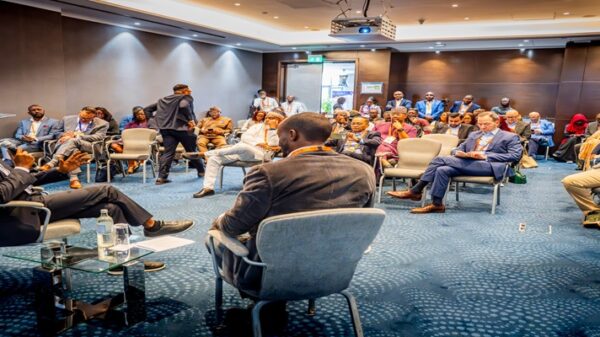
The inauguration ceremony, held on Friday, at the NCC Headquarters in Abuja, was presided over by Dr Aminu Maida, executive vice chairman and chief executive officer, NCC.
Maida was joined by Abba Aliyu, managing director of the REA, along with senior executives and committee members from both organisations.
Speaking at the event, Maida described the collaboration as a timely and strategic alignment of national priorities.
He noted that bridging the connectivity and power gaps in rural areas remains critical for Nigeria’s growth and development.
He highlighted that the demand for digital services and connected communities creates an opportunity for renewable energy to play a crucial role.
Maida further emphasised that the partnership goes beyond infrastructure; it is aimed at driving inclusion, reducing inequalities, and fostering shared prosperity.
“Whether it is powering a base station or enabling a child to access digital learning, this partnership has the potential to transform realities and bring opportunity closer to the people.
“This initiative is about more than infrastructure, it is about driving inclusion, bridging inequalities and creating the conditions for shared prosperity,” he was quoted in the statement.
He also noted that the initiative aligns with President Bola Tinubu’s Renewed Hope Agenda, which aims to ensure no community is left behind in Nigeria’s energy and digital transformation.
Aliyu, representing REA, expressed confidence in the transformative potential of the collaboration.
“This partnership will unlock sustainable development opportunities for millions of Nigerians, especially those in areas lacking traditional infrastructure,” he said.
He further emphasised that the collaboration would address both energy and connectivity gaps, benefiting those who are currently underserved.
The newly established NCC-REA Collaboration Committee will work to co-develop and implement integrated solutions that leverage renewable energy to power telecom sites.
The statement noted that the committee will also focus on sharing geospatial data to improve planning, aligning funding frameworks, and tracking the socio-economic impact of the project through clear performance indicators.