Tuesday, 15 September 2026
Nigeria Communications Week
Telecom

4G Dominates Nigeria’s Broadband as 5G Lags Behind

Ugo Onwuaso16 Feb 20260 Comments
4G Dominates Nigeria’s Broadband as 5G Lags Behind
Kindly share this post

Nigeria’s broadband landscape remains anchored by 4G LTE at 52.95% market share in December 2025, with 2G holding steady at 37.37%, while 5G penetration crawls at just 3.77%, per Nigerian…

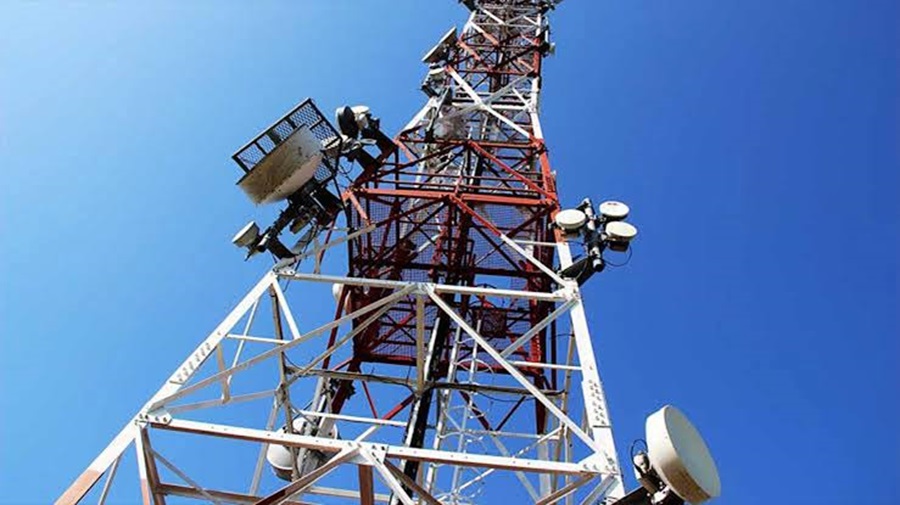
Nigeria’s broadband landscape remains anchored by 4G LTE at 52.95% market share in December 2025, with 2G holding steady at 37.37%, while 5G penetration crawls at just 3.77%, per Nigerian Communications Commission (NCC) data.

4G Dominates Nigeria’s Broadband as 5G Lags Behind

4G's dominance stems from urban smartphone migrations and MTN-Airtel infrastructure expansions, fuelling the digital economy, as 2G persists in rural areas due to feature phone reliance and a stubborn device gap.

5G growth stalls from high smartphone costs amid inflation, telco preference for 4G's quicker returns over capital-heavy 5G rollouts, and limited mainstream apps beyond elite urban streaming in Lagos and Abuja.

Broadband subscriptions topped 112 million, lifting penetration to 51.97%—up from 42.2% in October 2024—crossing the halfway mark for the first time, though monthly gains of 2-3 million slowed mid-year amid population growth and regional disparities.

The NCC's 70% target stays elusive, highlighting sustained urban-rural demand but underscoring needs for affordable devices, infrastructure, and use cases to accelerate high-speed access nationwide.

U
Published by

Ugo Onwuaso

Trained and practicing journalist passionate about telecommunications, fintech, cybersecurity, and digital economy reporting.

More in Telecom
Telecom

MTN Nigeria's ₦1.62 trillion network Investment builds 100 million subscribers using more data than ever

By Ugo Onwuaso12 Sept 2026

MTN Nigeria's ₦620.5 billion capital programme for the first half of 2026 landed alongside a network that crossed 100 million subscribers this week, delivered an average of 14.8 gigabytes of data per user per month, and moved the median download speed on Nigerian networks from 16.5 megabits per second at the start of the year to 20 Mbps by mid-year.