Pan-African digital rights organisation Paradigm Initiative (PIN) has warned that violent extremist groups are increasingly exploiting digital platforms to recruit, radicalise and manipulate young people across the Sahel region.

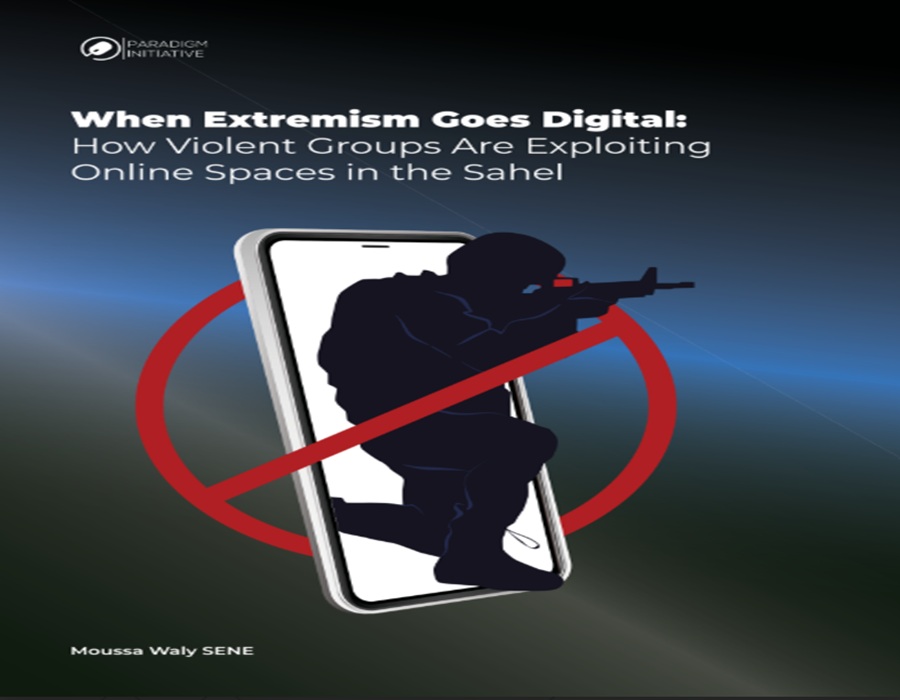
The organisation raised the concern in a new policy brief titled "Digital Frontlines: Countering Online Radicalisation and Violent Extremist Narratives in the Sahel."
According to the publication, extremist groups are shifting from traditional recruitment methods to digital platforms, including social media, encrypted messaging applications, short-form video platforms and online financial incentives, to target vulnerable populations.
PIN noted that unemployed youths and people facing insecurity and limited economic opportunities are particularly susceptible to online recruitment campaigns.
The organisation said that although governments have intensified efforts to combat violent extremism, responses to the digital dimension of the threat have failed to keep pace with rapidly evolving online tactics.
It argued that addressing online radicalisation requires more than surveillance and restrictive measures, recommending investments in digital literacy, stronger community resilience, improved early-warning systems and credible counter-narratives.
PIN also urged governments to work closely with technology companies and civil society organisations to disrupt extremist recruitment while protecting citizens' digital rights.
The report further highlighted the growing convergence between organised crime and violent extremist groups, noting that online propaganda increasingly promises financial rewards, belonging and purpose to vulnerable young people.
According to the organisation, this trend underscores the need for policymakers to prioritise prevention alongside conventional security responses.
Speaking on the findings, Moussa Waly SENE, Programmes Officer for Francophone Africa at Paradigm Initiative, described the digital space as a new frontline in the fight against violent extremism.
"As more young Africans come online, stakeholders must ensure that digital platforms remain spaces for opportunity, innovation and civic participation, not recruitment grounds for violent extremist groups. Protecting digital rights and protecting vulnerable communities should be mutually reinforcing objectives," he said.
Among its recommendations, the policy brief called for stronger regional cooperation to tackle cross-border online extremist networks, rights-respecting content moderation and greater accountability by digital platforms.
It also advocated expanded digital literacy programmes to strengthen resilience against online manipulation and community-led initiatives that empower young people to identify and reject extremist narratives.
The organisation further urged policymakers to develop security measures that balance national security objectives with the protection of privacy, freedom of expression and access to information.