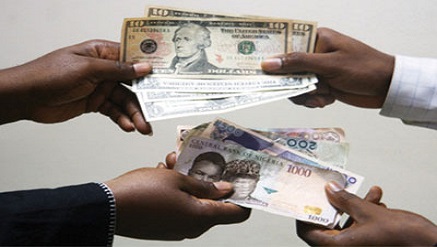
Mr. Lukman’ Otunuga, research analyst of FXTM, said the global markets received with shock the Central Bank of Nigeria’s decision to increase the monitory policy rate from 12 to 14 per cent.
Otunuga in an email to Nigeria CommunicationsWeek said, “Central Bank of Nigeria shocked the global markets during trading on Tuesday following the unexpected decision to raise Nigerian interest rates in an effort to quell the spiraling inflation.”
CBN on Tuesday raised the monetary policy rate, which serves as national key lending rate, to 14 percent, in order to encourage savings and investment.
Speaking after the monetary policy committee (MPC) meeting in Abuja, Godwin Emefiele, governor of the bank, said the committee voted to hike interest rates in the face of rising inflation.
“The committee noted that the negative real interest rates did not support the recent flexible foreign-exchange market as foreign investors’ attitude had remained lukewarm, showing unwillingness in bringing in new capital,” Emefiele said.
“The Committee noted that inflation had risen significantly, eroding real purchasing power of fixed income earners and dragging growth.”
He said the committee voted that MPR be raised from 12 percent in May to 14 percent — the highest in at least 10 years.
Cash reserve ratio (CRR) and liquidity ratio were maintained at 22.5 percent and 30 percent respectively.
“The MPC was further concerned that while the situation called for obvious tightening of the monetary policy stance, the technical recession confronting the economy and the prospects of negative growth to year-end needed to be factored into the policy parameters.”
The committee commended the CBN’s introduction of a flexible foreign exchange regime.
But, Otunuga said, “This has been the second time interest rates have been raised within six months in an effort to mitigate the mounting pressures of a weakening Naira. With the current rates at 14%, this has been the highest level ever and displays how the central bank will do all it must to guide the nation back onto the path of economic recovery.
“Sentiment still remains bearish towards Nigeria, and the recent decline in oil prices may punish the oil export nation further. As of now, Naira vulnerability may be a theme and further declines in value could be expected as the local currency is guided by the natural forces of supply and demand. It should be kept in mind that the nation’s problem remains depressed oil prices and the key is diversification which could reap benefits in the longer term.
Similarly, Mr. Charles Robertson, Global Chief Economist, Renaissance Capital, said that “Nigeria is getting it right..the gap between the official rate and the parallel rate is down from an uninvestable 80% to 20%”
He said that by contrast, Egypt with its recent measures to squeeze liquidity provided to Bureau de Changes (BDCs) is echoing what Nigeria did a few months ago and is currently heading in the wrong direction.
According to him, “Angola is in a strange world of its own – with a differential of over 70%.
“As we keep telling investors – have a look at Nigeria – they are clearly much closer to a clearing rate for the currency (our REER 20 year fair value estimate is 315-320/$)”.
Analysts React to CBN New MPR, Falling Naira
Comms Week26 Jul 20160 Comments
Mr. Lukman’ Otunuga, research analyst of FXTM, said the global markets received with shock the Central Bank of Nigeria’s decision to increase the monitory policy rate from 12 to 14 per cent. Otunuga…
C
Published by
Comms Week
Trained and practicing journalist passionate about telecommunications, fintech, cybersecurity, and digital economy reporting.
You May Like

PwC Nigeria Points at Ambiguities in Virtual Assets Tax Rules
SEC Orders Capital Market Operators to Cut Banking, Business Ties with Iran, DPRK

Cyberthreat: New Malware, Turns Phones into Tools for Card Fraud- Report

SEC Clears Blockchain for Accelerated Regulatory Incubation Programme

Leadway Unveils Multi-generational Insurance Plan for Nigerian Families