Bird strikes all over the world, apart from resulting in emergency landings and damages to aircraft, it costs the industry a minimum of US$1.2 billion (888 million euros) annually.
The sum is spent also on bird strike damage and delays as estimated by John Allan, head of the national wildlife management center, a UK Animal Health and Veterinary Laboratories Agency.
Airports aren’t just hubs where cargo flies to its destination; they are wildlife habitats where birds and other animals thrive and airports must manage birds in order to protect planes.
The challenge is as we have clear zones on the approach and departure ends of our airport, as do all airports, Steve Osmek, airport wildlife biologist at the Port of Seattle, said.
Frequently, if they are in urban areas like we are, it tends to be some of the last real good quality habitat for wildlife, including hazardous wildlife.
The challenge at Seattle-Tacoma International Airport, which is operated by the Port of Seattle, and at every airport across the global is reducing the number of birds hanging out at the airport.
Statistics for bird strikes are murky. In 2012, there were 10,726 wildlife strikes in the U.S., the vast majority of which involved birds, according to the Federal Aviation Administration. The UK Civil Aviation Authority reported 2,215 bird strikes.
But reporting standards differ based on country, says Allan, former chairman of the International Bird Strike Committee and a specialist in bird strike prevention in York, England, for the past 25 years.
And that US$1.2 billion spent on bird strike damage and delays? That is Allans best calculation, but the number may well reach five times that amount.
David Gamper, director, safety and technical at Airports Council International, said ACI does not collect statistics on bird strikes, though the Montreal-based organization will start to gather statistics in 2014.
Aviation Industry Loses $1.2Bn Annually Bird Strikes
Comms Week28 Nov 20130 Comments
Bird strikes all over the world, apart from resulting in emergency landings and damages to aircraft, it costs the industry a minimum of US$1.2 billion (888 million euros) annually. The sum is spent…
C
Published by
Comms Week
Trained and practicing journalist passionate about telecommunications, fintech, cybersecurity, and digital economy reporting.
You May Like

U. S. Mission Nigeria Celebrates Azih, Nigerian for Fintech Innovation
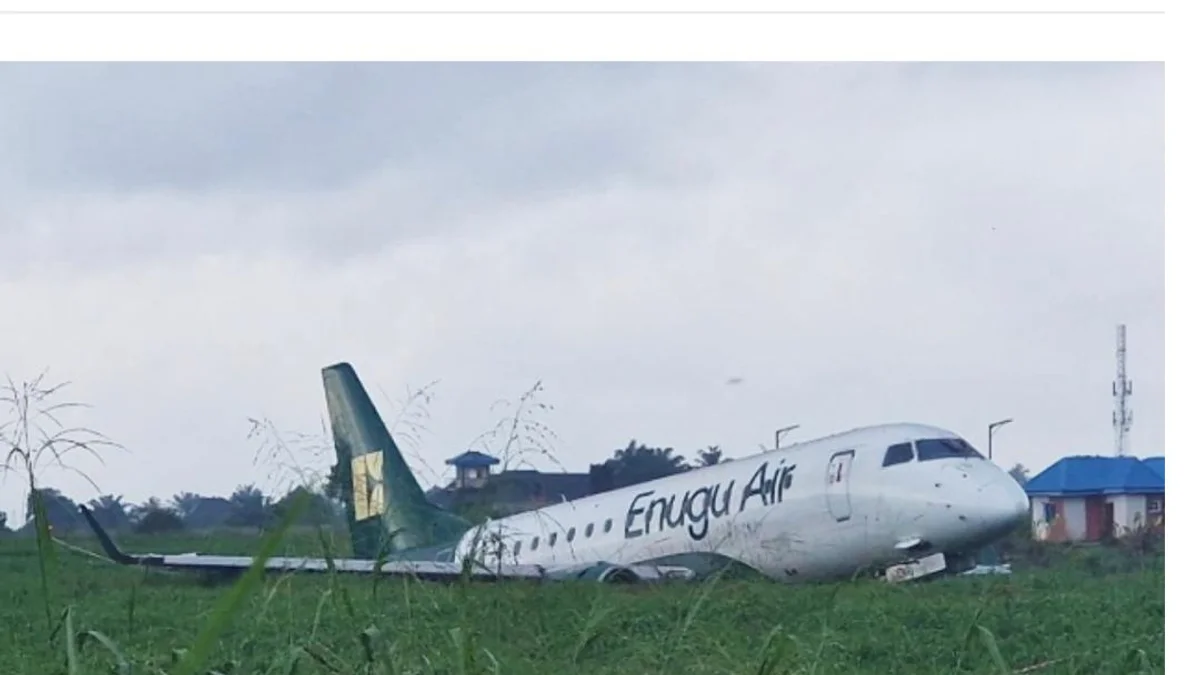
Autobrake Failure Contributed to Enugu Air’s Benin Runway Overrun - NSIB

NLNG, NCDMB Boost Engineering Research with Innovation Centre

NITDA Seals Strategic Deals with Goose FL and Fireflies AI to Power $1 Trillion Digital Economy Vision

Anambra Seeks Digital Inclusion in Rural Communities