Rack Centre, the leader in the Nigerian data centre industry has been named finalist in two categories of the Data Centre Dynamics Europe, Middle East and Africa (EMEA) Awards for 2015.
The Data Centre Dynamics awards are peer reviewed and are considered by analysts to be the most prestigious international awards in the industry.
The two categories Rack Centre has been shortlisted in are ‘Data Centre Impact’ category, which recognises companies or projects for the positive impact on the region, community and commerce and the ‘Data Centre Modular Deployment’ category which rewards excellence in modular delivery.
Rack Centre was runner-up in this category last year, was the only African finalist, and has now been finalist for the regional awards in both eligible years since the companies launch.
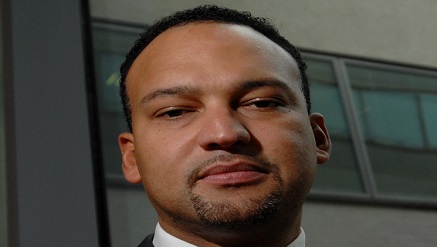
Ayotunde Coker, managing director of Rack Centre commenting on the announcement said “It is humbling to be recognised by our peers and colleagues in this way. We made a commitment to run the facility and the company to world class standards and implement creative and innovative solutions, supported by the best Nigerian talent, to establish a new industry in West Africa. World class data centres are catalyst for the digital economy, and this day and age, no advanced economy can exist without a thriving high quality data centre industry. We are delighted that the emerging African operators are being recognised by the leaders of the industry in Europe and the Middle East”.
Rack Centre is 100% owned by Jagal, a Nigerian conglomerate holding that operates leading energy businesses and manages a diverse portfolio of investments.
Rack Centre, is a state-of-the-art, Tier III Design Certified data centre offering carrier-neutral colocation services.
The data centre provides over 6,000sqm (65,000sqft) of energy efficient and secure data centre space.
The technology invested provides clients guaranteed levels of uptime, power and service availability. Colocating within Rack Centre allows companies to avoid fixed infrastructure investments and to leave the growing complexity of managing power and environmental issues to specialists.