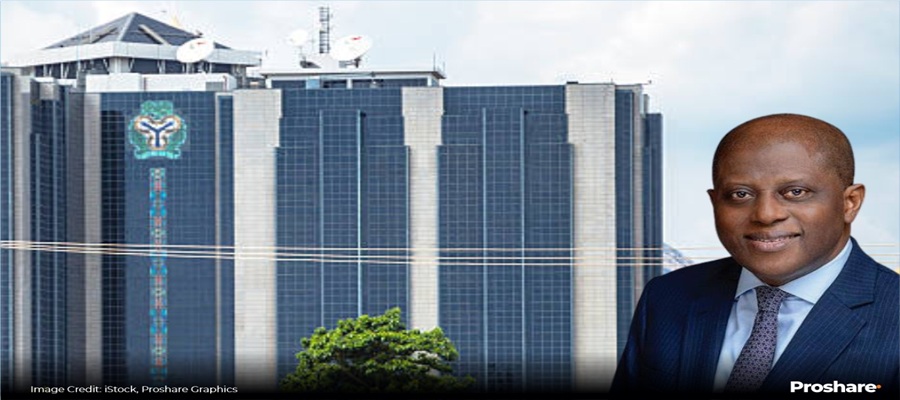
Nigeria's banking sector recapitalization, mandated by the Central Bank of Nigeria (CBN) in March 2024, requires banks to meet tiered minimum paid-up capital thresholds by March 31, 2026: ₦500 billion for international authorization, ₦200 billion for national, and ₦50 billion for regional commercial banks.

As of early 2026, several banks have secured international and national licences, aligning closely with the provided lists, though some like FCMB hold national status while pursuing international approval. This reform aims to bolster financial resilience and support Nigeria's $1 trillion economy goal.
Banks That Have Secured International Licences
An international banking licence allows banks to operate beyond Nigeria’s borders and engage in cross-border transactions. To qualify, banks must meet a higher capital threshold — ₦500 billion in paid-up capital.
As of early 2026, the following banks met this requirement and secured their international licences:
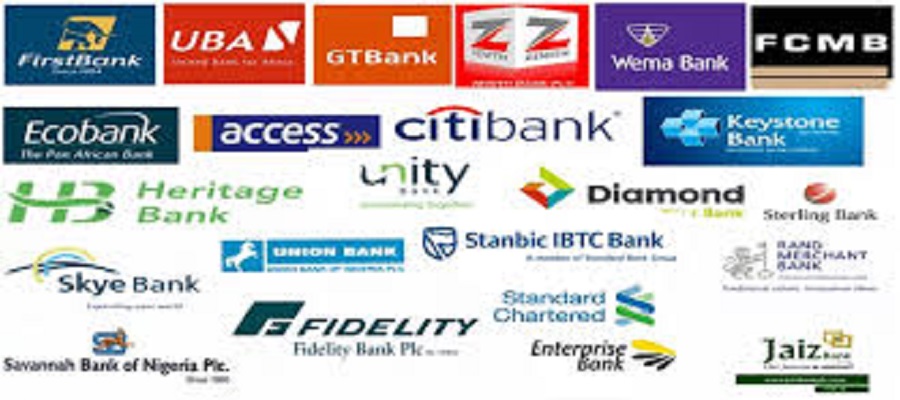
- Access Bank Plc
- Fidelity Bank Plc
- First Bank of Nigeria Ltd
- Guaranty Trust Bank (GTBank)
- United Bank for Africa (UBA)
- Zenith Bank Plc
Banks That Have Secured National Licences
A national banking licence allows operations across Nigeria but restricts international expansion. Banks need ₦200 billion in paid-up capital to secure this licence.
- FCMB (First City Monument Bank) – currently pushing to raise additional capital to secure its international licence.
- Wema Bank
- Standard Chartered Bank (Nigeria)
- Citibank Nigeria
- Stanbic IBTC Bank
- Sterling Bank
- Globus Bank
- Premium Trust Bank