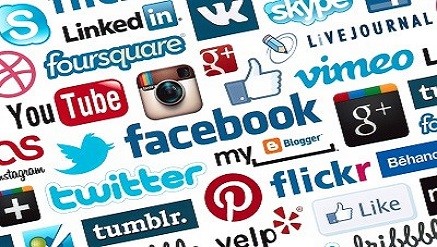
Twitter, Facebook, Instagram, Snap chat, Periscope and Google+ to mention but a few social media are changing the way the world is perceived either for good or bad.
These different social media have evolved into an indispensable tool for interaction, mobilization, promotion and communication.
It has changed the human race in so many incredible ways. Jovago.com, Africa's No 1 hotel takes a close look at how social media has changed us: the good and the bad.
The Good
Unlimited Access to Information
Unlike in the past when you have to wait for a newspaper to publish breaking news the next day or rely on radio or television, social media is now the pathway to news. You will not only get current information; you also get live news feeds.
This social media trend has led to the emergence of blogs and online media which has threatened the existence of newspapers.
However, they now seem to be a gradual synergy between new and traditional media.
Connectivity to Others
Social media has made it possible to keep in touch with friends and family. It has also connected us to new ones.
In fact, for some persons, it is easier to make friends on social media. In addition, social media has reconnected us to childhood friends.
You will always relish the opportunity to meet a long lost friend online and exchange banters about the fun times of your childhood. It is worth it.
Voice to the Voiceless
Social media has become the voice to the voiceless. It is an effective platform to express unencumbered and unfettered opinions, views and grievances.
Videos of harassment have gone viral and in other cases, it has been used to bring down previously impregnable government-Arab spring.
In addition, it is being used for health and developmental campaigns.
It is therefore not surprising that many governments are battling to regulate social media. It has to a very large extent returned power to the people.
The Bad
Prevalent Rumours
Spreading rumours and false information is a huge shortcoming of social media.
It is an unregulated space and every Tom, Dick and Harry have unhindered access to it. False breaking news has become the norm.
Due to this, many are careful about the information they read online.
A good example was a hoax that the Eritrean government has passed a law making it compulsory for Eritrean men to marry two wives or go to jail.
It trended in Nigeria and even reputable media houses reported the story.
Made People Distant
It is an African and Nigerian culture to visit friends and family.
Chinua Achebe in his book Things Fall Apart stressed: "When we gather together in the moonlit village ground it is not because of the moon.
Every man can see it in his own compound. We come together because it is good for kinsmen to do so."
But things have fallen apart in today’s social media world as nobody is visiting one another anymore.
We rely heavily on social media to connect with loved ones. Unfortunately, many people live false lives online.
All Talk, No Action
Social media may give voice to the voiceless, call people to action and a particular subject may trend for a few days.
But beyond twitter, what happens?. There have been several viral hashtags on twitter and videos on YouTube which demanded an offline action but oftentimes the trend begins and ends on social media.
Very few have gotten worthwhile online and offline attention like the#BringBackOurGirls campaign for the rescue of Chibok girls.
How Social Media Change the World: The Good & Bad
Comms Week25 Feb 20160 Comments
Twitter, Facebook, Instagram, Snap chat, Periscope and Google+ to mention but a few social media are changing the way the world is perceived either for good or bad. These different social media have…
C
Published by
Comms Week
Trained and practicing journalist passionate about telecommunications, fintech, cybersecurity, and digital economy reporting.
You May Like
FG inaugurates National Digital Cloud Policy, Targets $750m in Private Investment
NDPC @ Governors’ Forum, Urges States to Strengthen Data Protection Implementation

Kaspersky Detects 4.7 million Attacks Disguised as Workplace Tools Ahead of Business Season
NITDA Warns Zoom Users of Critical Vulnerability that could Hijack Accounts

Digital Encode Launches Nigeria’s First Autonomous Penetration Testing Platform DEPAS AI to Counter AI-Driven Cybercrime