The total transaction value of mobile financial services in emerging markets (including domestic money transfers, deposits on loans, insurance products, and savings accounts) will approach $500 billion in 2021, up from an estimated $198 billion this year.
This is according to Juniper Research's recent study: Mobile Financial Services in Emerging Markets: Money Transfer, Loans, Savings & Insurance 2016-2021.
Over 2 billion mobile users will have used their devices for banking purposes by the end of 2021, compared to 1.2 billion this year globally, representing more than one in three of the adult population, says Juniper.
Mobile is playing a central role in delivering digital and financial inclusion, key challenges that must be addressed if the world's growing population is to be empowered to share in the benefits of the rapidly developing digital economy, says GSMA 2016 report.
It says the mobile money industry is now widely established, bringing financial inclusion to previously unbanked and underbanked populations across the developing world.
With mobile money services now available to 1.9 billion people globally, previously unbanked customers can benefit from the choice, security, convenience and affordability often missing with cash-based operations, adds GSMA.
"As of December 2015, there are 270 live services in over 90 countries, with over 100 planned new service introductions. There are now 60 markets with at least two mobile money services, and many have three or more."
GSMA says more than half of the live mobile money services are in Sub-Saharan Africa, where it has become a popular service not only for fund transfers but also other transactions such as airtime top-ups and bill payments.
Delivering financial services by mobile phone could benefit billions of people by spurring inclusive growth that adds $3.7 trillion to the gross domestic product of emerging economies by 2025, says McKinsey.
It notes digital finance has the potential to provide access to financial services for 1.6 billion people in emerging economies, more than half of them women.
It could increase the volume of loans extended to individuals and businesses by $2.1 trillion and allow governments to save $110 billion per year by reducing leakage in spending and tax revenue, adds McKinsey.
Financial-services providers would benefit too, saving $400 billion annually in direct costs while sustainably increasing their balance sheets by as much as $4.2 trillion, it says.
The Juniper report says by introducing insurance offerings, mobile operators had the opportunity to substantially reduce churn levels.
It cited the example of Telenor Suraksha life insurance scheme in India, which has seen nearly 50% of its 45 million user base sign up since its December 2015 introduction.
According to research author Lauren Foye, the model underpinning the Surakhsa scheme – requiring consumers to top-up airtime on a monthly basis to receive the insurance cover – should be widely replicated.
"It enables operators to maintain average revenue levels within low-income, low-ARPU prepaid environments and allows consumers to reap the benefits of micro-insurance cover."
However, the research cautioned that a key challenge would be tailoring financial service products to the needs of individual markets.
Nevertheless, the study highlighted the Asia-Pacific as a region which, while currently under-served due in part to the complexity of national regulations, has strong potential for future product introductions.
Whilst restrictions have been in place previously, largely due to cultural beliefs, attitudes are changing in under-served regions, says Juniper.
Juniper Says Mobile Financial Services will Surge in Emerging Markets
Comms Week10 Nov 20160 Comments

The total transaction value of mobile financial services in emerging markets (including domestic money transfers, deposits on loans, insurance products, and savings accounts) will approach $500…
C
Published by
Comms Week
Trained and practicing journalist passionate about telecommunications, fintech, cybersecurity, and digital economy reporting.
You May Like

North Korea Recruiting IT Professionals in Nigeria, Others to Plant Fake IT Staff in US Tech Companies- NBC News

Google Issues Urgent Chrome Update to Block Active Attacks

RockPay Launches, Targets Digital Payments through Social Finance

NDIC Still Paying Depositors of 46 Failed MFBs — Sunday
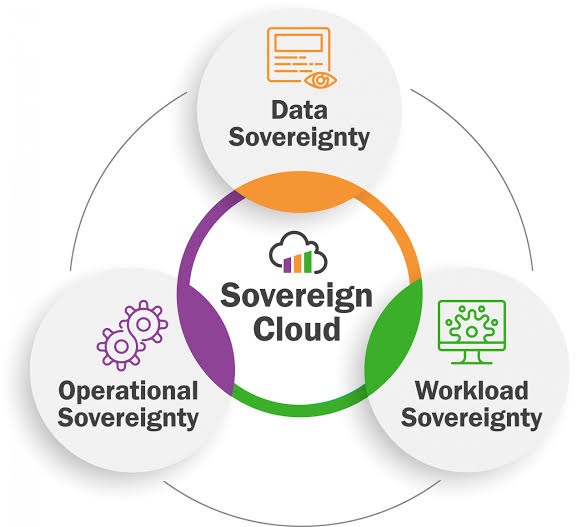
NITDA Inaugurates Taskforce to Drive Sovereign Cloud Implementation