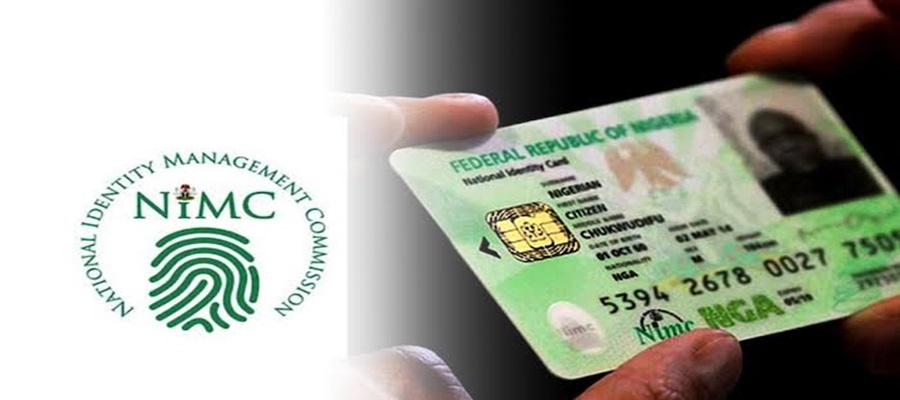
National Identity Management Commission (NIMC) has said thet more than 136 million Nigerians and legal residents have been enrolled in the National Identity Database (NIDB).

In a statement on Tuesday, Kayode Adegoke, head of corporate communications, NIMC, said Abisoye Coker-Odusote, chief executive officer (CEO) of the commission, announced the milestone during a courtesy visit to the ministry of budget and economic planning.
In April 2025, NIMC said over 117.36 million Nigerians had been enrolled as of February 28, 2025.
The visit was part of the commission’s ongoing stakeholder engagements with ministries, departments and agencies (MDAs) on the implementation of the NIMC Act 2026.
Presenting the new Act, Coker-Odusote said the legislation repeals and replaces the 2007 NIMC Act, modernising Nigeria’s digital identity ecosystem by positioning the national identification number (NIN) as the country’s foundational identity under the “one person, one identity” policy.
She said the law also establishes NIMC as the root certificate authority for the national digital infrastructure and introduces stronger data protection and cybersecurity measures, as well as digital credentials.
“The Federal Government remains committed to enrolling and issuing NINs to all Nigerians and legal residents within the shortest possible time,” Coker-Odusote said.
She added that NIMC is ready to collaborate with the ministry of budget and economic planning to leverage the NIN for economic planning and national development initiatives.
Speaking during the visit, Abubakar Atiku Bagudu, the minister of budget and economic planning, reaffirmed the federal government’s commitment to the implementation of the NIMC Act 2026.
Bagudu described the legislation as “a transformative milestone” that would strengthen Nigeria’s digital identity ecosystem and accelerate national planning and development.
He commended the NIMC director-general and the commission’s leadership for their efforts in securing the passage of the legislation, noting that it provides “a solid legal foundation for a trusted, secure, and inclusive national identity management system”.
The minister, however, said the true measure of the Act’s success would lie in its implementation and the benefits it delivers to Nigerians.
“The true measure of the Act’s success will lie in its effective implementation and the tangible benefits delivered to citizens,” he said.
Bagudu also called for stronger collaboration across the federal, state and local governments to build public confidence in the national identity system and eliminate the duplication of identity databases across government institutions.
He said the NIN should serve as Nigeria’s single, universally accepted identity standard, supporting efficient service delivery and good governance.
On June 26, President Bola Tinubu signed the NIMC Act 2026 into law, repealing the commission’s 2007 establishing Act.
At the time, Olubunmi Tunji-Ojo, minister of interior, said the legislation would strengthen Nigeria’s legal framework for digital identity management, cybersecurity and secure digital authentication, while reinforcing the NIN as the country’s foundational identity credential under the “one person, one identity” principle.