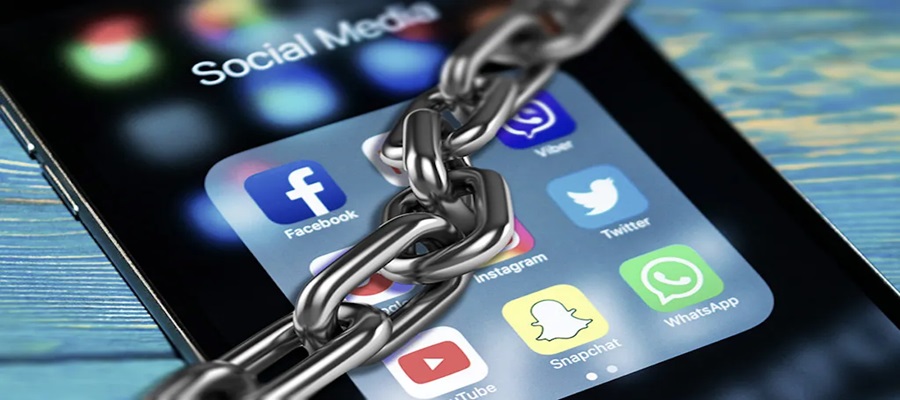
Senate has moved closer to making it mandatory for global social media companies operating in Nigeria to establish physical offices in the country following widespread support for the proposal at a public hearing in Abuja.

The proposed legislation, sponsored by Sen. Ned Nwoko (Delta North), seeks to amend the Nigeria Data Protection Act, 2023, to require social media platforms providing services to Nigerians to maintain operational offices within the country.
The public hearing, organised by the Senate Committee, also received support for a separate bill seeking the establishment of an Artificial Intelligence (AI) Academy in Omuo-Ekiti, Ekiti State.
Representing Senate President Godswill Akpabio, Deputy Senate Leader Sen. Lola Ashiru said the proposed legislation was not intended to discourage technology companies from investing in Nigeria but to strengthen accountability, engagement and regulatory cooperation.
According to him, the objective is to ensure that global technology companies have a stronger presence in Nigeria's digital ecosystem.
Speaking during the hearing, Nwoko said the bill was designed to deepen the relationship between technology companies and Nigeria rather than create obstacles for innovation.
"This bill is neither punitive nor hostile to innovation. It is not designed to frustrate investment or discourage technology companies from operating in Nigeria.
"On the contrary, it seeks to deepen their engagement with Nigeria by encouraging them to become true corporate citizens of our country," he said.
The lawmaker argued that several countries had successfully attracted major technology companies to establish local operations by adopting similar policies.
He listed the United Kingdom, India, the United Arab Emirates, South Africa and Brazil as countries that have secured local offices from global technology firms, resulting in increased employment opportunities, improved tax revenue and stronger innovation ecosystems.
According to him, those countries recognised early that the digital economy has become as important as the traditional economy.
"The question, therefore, is simple: if countries with significantly smaller populations and digital markets than Nigeria have secured these investments and benefits, why should Nigeria continue to stand on the sidelines?
"Why should Africa's largest digital market not enjoy the same opportunities?" Nwoko asked.
He maintained that requiring global social media companies to establish local offices would enhance regulatory engagement, improve service delivery, stimulate job creation and strengthen Nigeria's digital economy.
The Senate committee said it would review memoranda and submissions received from stakeholders during the public hearing before preparing its report for consideration by the Senate.
If passed and signed into law, the amendment would require major social media companies operating in Nigeria to maintain a physical corporate presence within the country.