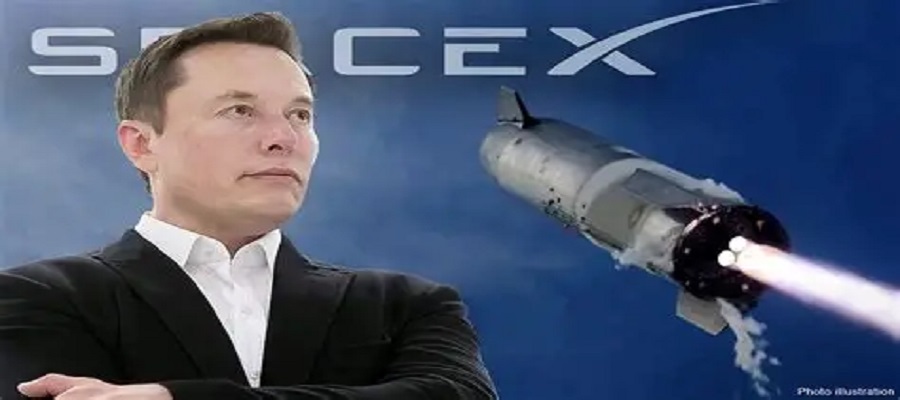
The traditional ground-based cellular towers may start dying by instalment in the next two years, due largely to Elon Musk's SpaceX of acquisition of mobile frequencies of EchoStar, a US based firm for $17 billion.
Subject to affordability and availability, the move could be disruptive as it is intended to accelerate the development of "direct-to-cell" technology, which enables mobile phones to connect directly to satellites without relying on ground-based cellular towers.
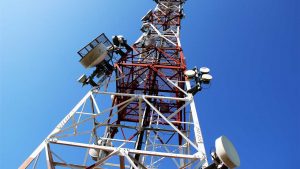
Cell Phone Towers (also called Base Stations), have electronic equipment and antennas that send and receive signals to and from cell phones.
Antennas may be attached to free-standing towers or structures or may be mounted on non-tower structures such as building rooftops, billboards or church steeples.
But the Direct-to-Cell technology, primarily driven by Starlink, allows smartphones and IoT devices to communicate directly with low Earth orbit (LEO) satellites.
This innovative approach eliminates the need for traditional cell towers, enabling connectivity in areas where cellular service is limited or non-existent.
The technology is designed to work with existing LTE and 5G smartphones, requiring no additional hardware or applications.
According to Gwynne Shotwell, president and COO of SpaceX, "In this next chapter [...] SpaceX will develop next generation Starlink Direct to Cell satellites, which will have a step change in performance and enable us to enhance coverage for customers wherever they are in the world."
Shotwell, added that the first Starlink satellites with direct-to-cell capabilities have already connected millions of people in critical moments—during natural disasters, to reach emergency services or loved ones, or when they were off-grid.