The Trade Union Congress of Nigeria (TUC) said yesterday that the proposed increase in data rate by the telecoms operators in the country was a conspiracy against the collective interest of the common man in the country.
In a statement made available to newsmen and signed by Comrade Bobboi Bala Kaigama, president and Comrade (Barr.) Simeso Amachree, acting secretary general, the Congress said the proposed increase was unacceptable as if is aimed at frustrating the lives of the Nigerian people.
If said rather than increase awareness for greater citizens’ participation especially in ICT, they are doing the opposite, pointing out that while the government is banking on ICT for youth empowerment, the NCC is trying to cut youth participation.
The statement reads: “The Trade Union Congress of Nigeria warns against the on-going conspiracy between the Federal Government through the Nigerian Communications Commission (NCC) and some major telecom companies, especially MTN to further increase their data rates from December 1, 2016. It is really startling the extent government and its capitalist’s cronies would go to frustrate the lives of Nigerians.
“We feel particularly awful about the move because data is one of the cheapest ways to empower the teaming youth. This move if allowed would make it unaffordable. In our view, this is insensitive and criminal on the part of the parties involved.
“We are not surprised that MTN has thrown its whole weight behind the policy; but the telecom giant should realized that trying to lobby the government will not save the organization when the chips are down. Of course, this cannot happen in South Africa.
“Naturally, we had expected that government would increase awareness for greater citizens’ participation especially in ICT, but unfortunately they are doing the opposite. One cannot really situate Federal government policy direction these days.
“On the one hand, the Vice President, Prof. Yemi Osinbajo is banking on ICT for youth empowerment while on the other, the NCC is trying to cut youth participation. All the promises made to the Chief Executive Officer of Facebook, Mark Zuckerberg when he visited the country cannot be achieved if the policy is implemented.
“This is not the best way to make money. This move is spineless and should be done away with. What then would be the benefit of the policy to the self-employed who depend on data for their businesses? The truth is, cheap internet data is a vehicle of some sort to economic development.
“It is very unfortunate, very unreasonable and inhuman to come up with such idea at a period of recession. Any call for increase in anything for now is most unreasonable, uncalled for and a calculated attempt to record more suicide cases and insecurity in our already tension-soaked country.
“The telecoms sector was often used as a case study to justify the removal of fuel subsidy. But the question is, is the telecoms sector truly deregulated? What happens to the issue of free market in the telecoms sector?
“There is so much deceit and insincerity in the system. We are calling on government to come up with godly policies that would encourage investment and stimulate growth, instead of deliberately trying to stifle businesses.”
TUC Rejects Proposed Increase in Data Tariff
Comms Week29 Nov 20160 Comments

The Trade Union Congress of Nigeria (TUC) said yesterday that the proposed increase in data rate by the telecoms operators in the country was a conspiracy against the collective interest of the…
C
Published by
Comms Week
Trained and practicing journalist passionate about telecommunications, fintech, cybersecurity, and digital economy reporting.
You May Like

NCC’s Anti-Scam Platform Goes Live Next Month

FG Targets 200 New Telecom Sites before December
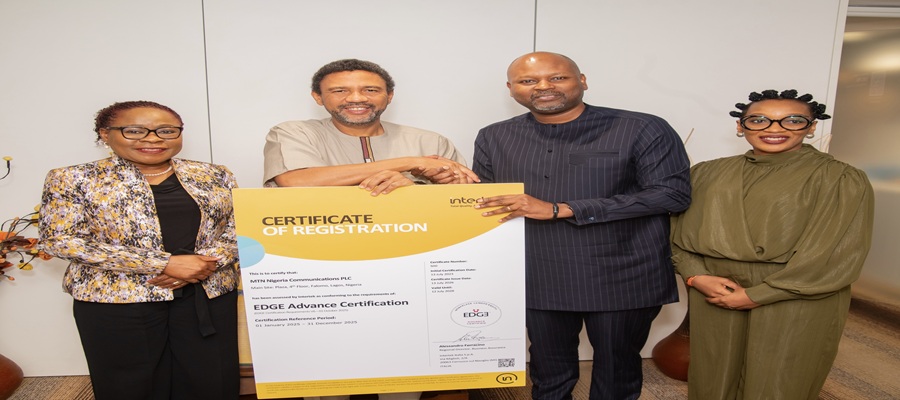
MTN Nigeria Receives EDGE Advanced Certification from IFC for Advancing Gender Equality

ALTON Backs Zero-rated Access to Educational Platforms Programme

NITDA Boss Outlines Vision for Data Centre Investment