A new report released by United Nations Broadband Commission has demonstrated how Information and Communication Technologies (ICT), have become a positive force of transformation and a crucial element of any personal development, empowerment and institutional framework for inclusive development.
While the Millennium Development Goals (MDGs) represent a concerted effort to address global poverty, there is a striking gap in the current MDGs and their inclusion of persons with disabilities.
The estimated 1 billion persons with disabilities are still excluded from equitable access to resources (education, healthcare, etc.) and as a result persons with disabilities experience disproportionately high rates of poverty.
In spite of the conclusion of the Convention on the Rights of Persons with Disabilities in 2006, disability remains largely invisible in most mainstream development processes.
The High-Level Meeting on Disability and Development (HLMDD) of the sixty eighth session of the United Nations General Assembly, taking place in New York, provides a historic opportunity to rectify this omission and will discuss the issues that should be reflected in the post-2015 framework for development.
“The ICT Opportunity for a Disability-Inclusive Development Framework” contributes to a better understanding of the extent to which ICTs can enable and accelerate the social and economic inclusion of persons with disabilities. It lists challenges that are still to be addressed while outlining concrete actions to be undertaken by each group of stakeholders and a set of indicators to help measure progress towards the achievement of a disability-inclusive development agenda.
This report is the result of collaborative input from the UN Broadband Commission for Digital Development, the Global Initiative for Inclusive ICTs (G3ICT), the International Disability Alliance (IDA), the International Telecommunication Union (ITU), Microsoft, the Telecentre.org Foundation and the United Nations Educational, Scientific and Cultural Organization (UNESCO).
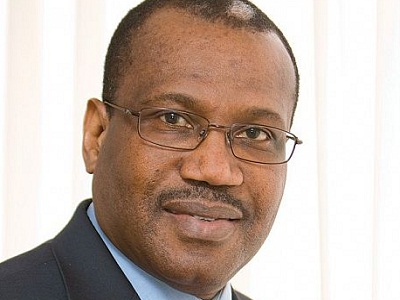
Launching the report, Dr Hamadoun I. Touré, secretary general of the ITU, said “The use of information and communication technologies should be at the heart of any strategy to promote the social and economic inclusion of persons with disabilities. We have the tools at our hands; the remaining challenge is to expand access to these technologies to all and to make ICTs accessible and affordable for persons with disabilities”
The content is based on feedback from a global consultation on ICT, Disability and Development, carried out from 20 May to 17 June 2013 in support of the preparatory process of the HLMDD.
The consultation gathered over 150 expert inputs from relevant organizations and key individuals from over 55 countries and representing multiple stakeholders, including governments, academic institutions, organizations of persons with disabilities, civil society organizations, private sector and regional and international organizations.
The report highlights that when ICT are available, affordable and accessible, they can significantly improve the inclusion of persons with disabilities in all aspects of society.
UN Report Affirms the Positive Force of ICT for Empowerment
cwadmin24 Sept 20130 Comments
A new report released by United Nations Broadband Commission has demonstrated how Information and Communication Technologies (ICT), have become a positive force of transformation and a crucial…
c
Published by
cwadmin
Trained and practicing journalist passionate about telecommunications, fintech, cybersecurity, and digital economy reporting.
You May Like

MTN Nigeria Endorses eWorldForum and Book Launch as GSM Revolution Turns 25

MTN Nigeria's ₦1.62 trillion network Investment builds 100 million subscribers using more data than ever

FG Plans Regulation of Internet Access for Nigerians below 16 Years

The Leadership Reset Powering West Africa’s Customer Experience Revolution

Digital Parks, Master Power Plan New Data Centre Facility in Lagos