Malam Nuhu Ribadu, former chairman, Economic and Financial Crime Commission (EFCC), on Thursday told the British court hearing the ongoing asset confiscation of James Ibori, convicted former governor of Delta state of how Ibori tried to him (Ribadu) in 2007 with $15 million in cash stuffed in a bag so heavy one man alone could not lift it.
Ribadu, who was chairman of EFCC from April 2003 to December 2007, gave evidence at a confiscation hearing in which prosecutors are seeking court orders to have Ibori’s assets seized.
He told a London court he pretended to take the bribe because he wanted the cash as evidence to use against Ibori in a prosecution, but rather than keep the money for himself, he had it taken straight to the Central Bank of Nigeria (CBN)to be kept safe in a vault.
He added that Ibori was so desperate he tried to halt a probe into his finances.
Ribadu told the court that about $1 billion flowed from Federal Government accounts into Delta State’s coffers during Ibori’s eight years in power, and he estimated Ibori had stolen or wasted more than half of that amount.
Under Nigeria’s constitution, state governors enjoy immunity from prosecution but are limited to two terms in office. With the end of his second term looming in April 2007, Ibori was worried the EFCC were planning to prosecute him, Ribadu said.
In late April 2007, a meeting was arranged between the two men at a “neutral place”, the house of Andy Uba, a close associate of former President Olusegun Obasanjo.
Ibori arrived at the house with several members of his staff and a very large black sack containing $15 million in cash. Ribadu said he watched as two of Ibori’s men lifted the heavy sack and handed it over to his own EFCC staff. “It was a bag that an individual could not carry alone,” he said.
The EFCC men drove the bag to the Central Bank where the money was counted and boxed into smaller containers. The court was shown photographs of the boxes of cash.
“I have given you money Nuhu, just give me my clearance,” Ribadu quoted Ibori as telling him after those events.
Instead, the EFCC continued to investigate Ibori’s affairs and had him arrested on corruption charges on December 12, 2007.
But Ribadu said the climate had changed since Obasanjo had stepped down and President Umaru Yar’Adua had been sworn in. Ribadu said Ibori was close to Yar’Adua, and then attorney general, Michael Aondoakaa, sought to neuter the EFCC.
On December 27, just 15 days after Ibori’s arrest, Ribadu was sacked as chairman of the EFCC. Efforts to prosecute Ibori in Nigeria foundered, and he was eventually prosecuted in Britain because he had laundered some of his millions there.
After his removal as EFCC chairman, Ribadu told the court he survived two separate assassination attempts, including one during which three shots were fired at his car.
After the second attempt, he fled Nigeria by what he described as the “bush path”, first by motorcycle taxi across the border to Benin, then by an Air France flight to Paris and then to Britain where he was given refuge at an Oxford college.
Ribadu remained in exile until after the death of Yar’Adua in May 2010. He told the court that under President Goodluck Jonathan, the climate changed again and he returned home.
It was also that year that Ibori’s luck turned. He was arrested in Dubai on a British warrant and extradited to London a year later. He is now serving his term at Long Lartin maximum security prison in central England.
The charges to which Ibori pleaded guilty amount to the theft of about $80 million, but British prosecutors said that was only part of his total loot, which was kept hidden via a complex web of shell companies, offshore accounts and front men.
How Ibori Gave me $15m Cash Bribe, Ribadu Tells UK Court
cwadmin19 Sept 20130 Comments
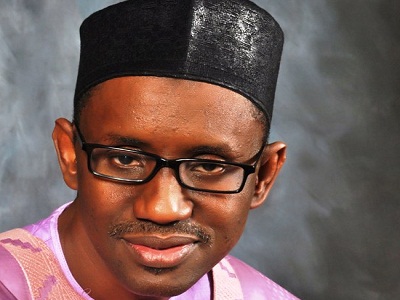
Malam Nuhu Ribadu, former chairman, Economic and Financial Crime Commission (EFCC), on Thursday told the British court hearing the ongoing asset confiscation of James Ibori, convicted former…
c
Published by
cwadmin
Trained and practicing journalist passionate about telecommunications, fintech, cybersecurity, and digital economy reporting.
You May Like
Releasing President Tinubu’s Records Can Endanger Lives – FBI
Tinubu Orders Arrest of Nwabueze, Head of Another Fake Agency, Suspension of 3 Perm Secs
How AI, Poor Governance Aid Transnational Scams —UNODC

Access to Equipment, Specialists Key to Survival of Preterm Babies — Haven Pediatric CMD

Shell Reinforces Safety Commitment @ CEO Contractors Forum