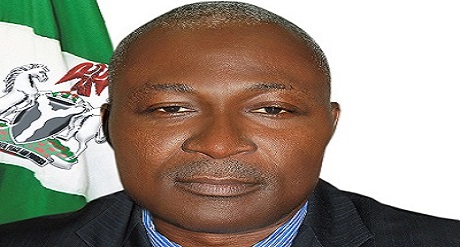
Mr. Benjamin Dikki, director general of the Bureau of Public Enterprises (BPE), has said that gas shortage rather than politics is responsible for the delay in the conclusion of the privatization of 10 National Integrated Power Project plants.
Dikki said this in a statement by Chigbo Anichebe, head of Public Communications at the privatization agency, in Abuja on Wednesday.
The BPE boss also put the capital expenditure needs of the 11 distribution companies that were privatized last year at around $1.8bn for the next five years; an average of about $360m per annum.
Dikki said the on-going privatization of NIPP power plants was being delayed by the problem of gas supply that had stalled the signing of the gas agreements which would make the transaction bankable.
He stated that concerted efforts were being made to secure reliable gas supply that would enable the signing of the gas agreements necessary to pro0.cede with the process of privatization of the NIPP plants.
According to him, the privatization programme is anchored on the attainment of clearly defined goals and parameters.
In the case of the generation companies, he said, capacity is expected to be ramped up from the current low levels to those that meet the minimum target capacities specified under the respective business plans submitted by the core investors.
For the distribution companies, he added, the performance of the business operations of the new owners would be measured on the basis of their abilities to reduce the Aggregate Technical, Commercial and Collection loss targets specified in their business plans.
The BPE helmsman further enumerated the key objectives of the reform and privatisation of the power sector, amongst which is to reduce the cost of doing business in Nigeria so as to attract new investments through the provision of quality and dependable power supply.
Gas Shortage Stalls NIPP’s Privatization –BPE
Comms Week24 Sept 20140 Comments
Mr. Benjamin Dikki, director general of the Bureau of Public Enterprises (BPE), has said that gas shortage rather than politics is responsible for the delay in the conclusion of the privatization of…
C
Published by
Comms Week
Trained and practicing journalist passionate about telecommunications, fintech, cybersecurity, and digital economy reporting.
You May Like

U. S. Mission Nigeria Celebrates Azih, Nigerian for Fintech Innovation

Autobrake Failure Contributed to Enugu Air’s Benin Runway Overrun - NSIB

NLNG, NCDMB Boost Engineering Research with Innovation Centre
NITDA Seals Strategic Deals with Goose FL and Fireflies AI to Power $1 Trillion Digital Economy Vision
Anambra Seeks Digital Inclusion in Rural Communities