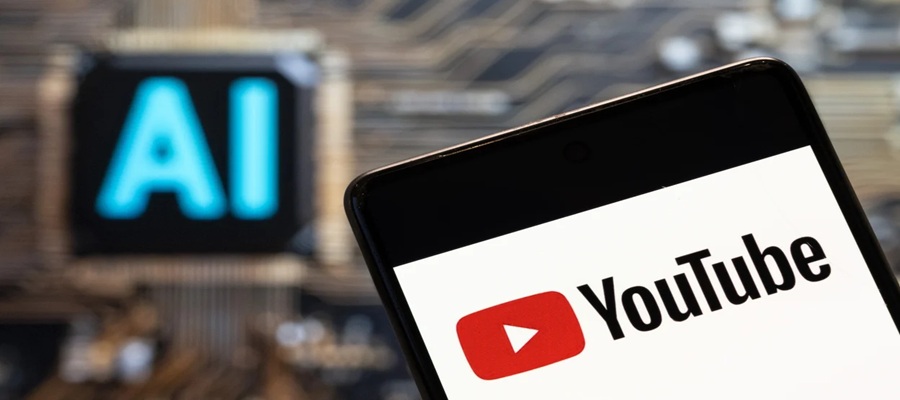
YouTube says it will soon begin automatically detecting artificial intelligence (AI)-generated content and applying labels to such videos for viewers on the platform.

The Google-owned video-sharing platform announced the move on Wednesday, saying it marks a shift from its earlier disclosure system that relied on creators to voluntarily indicate whether they used generative AI tools in producing content.
According to the company, the new system will automatically apply labels where its technology detects significant use of photorealistic AI, even if creators fail to disclose it.
“If a creator doesn’t specify whether or not they used AI, but our systems detect significant photorealistic AI use, we will now automatically apply a label,” YouTube said in a blog post.
The platform introduced AI disclosure guidelines in 2024, requiring creators to flag content generated using artificial intelligence tools. However, the rapid advancement of AI technology has made it increasingly difficult to distinguish AI-generated material from authentic content.
Recent tools such as Google’s Veo 3.1 and ByteDance’s Seedance have enabled users to create highly realistic AI-generated videos, raising concerns over misinformation and manipulated media online.
YouTube said creators would have the opportunity to appeal labels if they believed their content had been incorrectly flagged by the system.
The company also clarified that the labels would not affect how videos are recommended or distributed through its algorithm.
Other digital platforms, including Spotify, have also begun introducing measures to identify AI-generated content as the technology becomes more widespread across online services.
Industry analysts say the move reflects growing efforts by technology companies to improve transparency and help users identify synthetic media amid the global rise of generative AI tools.