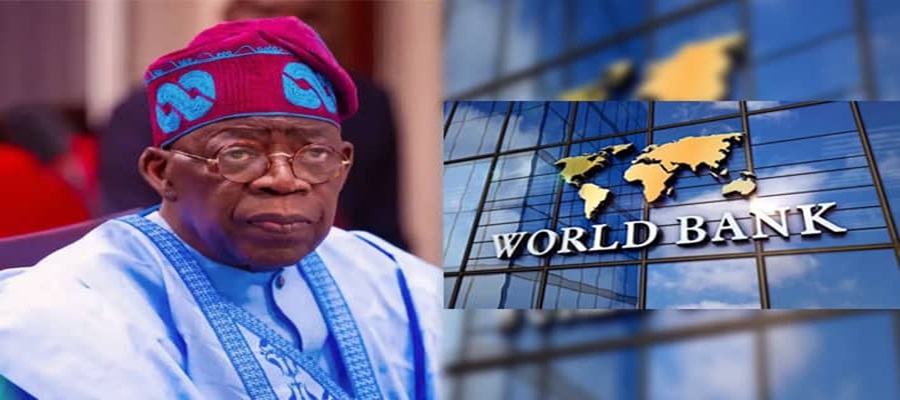
Federal government has secured a fresh $208.3 million financing from the World Bank to strengthen Nigeria’s cash transfer programme targeted at poor and vulnerable households as the country continues to grapple with the economic impact of ongoing reforms.
The new facility is expected to bolster the government’s social protection initiative by providing direct cash support to millions of low-income Nigerians affected by rising living costs following the removal of petrol subsidy and the liberalisation of the foreign exchange market.
The funding forms part of the World Bank-backed social safety net programme aimed at cushioning the impact of economic reforms while improving the country’s social protection system.
It is also expected to support efforts to enhance the National Social Register, strengthen payment systems and ensure that financial assistance reaches eligible beneficiaries more efficiently.
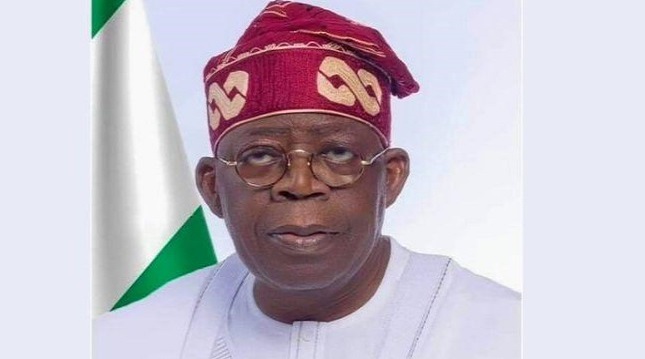
The latest financing adds to a growing list of World Bank-supported projects approved under President Bola Tinubu’s administration.
Since the administration assumed office in May 2023, Nigeria has secured more than $11.4 billion in World Bank loan approvals across key sectors, including power, agriculture, healthcare, education, digital infrastructure, financial inclusion and social protection.
However, only part of the approved funding has been disbursed, with several projects still at various stages of implementation.
Government officials have maintained that expanding the cash transfer programme is essential to protecting vulnerable Nigerians from the short-term effects of economic reforms while laying the foundation for long-term economic stability.
However, the fresh borrowing has renewed concerns among economists and policy analysts over Nigeria’s rising debt burden and increasing dependence on external financing.
Critics have called for greater transparency in the utilisation of borrowed funds and improved monitoring of social intervention programmes to ensure that the intended beneficiaries receive the support.
According to data from the Debt Management Office (DMO), Nigeria’s total public debt stood at approximately ₦159.28 trillion as of December 31, 2025, with multilateral lenders, particularly the World Bank, accounting for a significant portion of the country’s external debt portfolio.
Despite the concerns, analysts note that World Bank loans are generally concessional, offering lower interest rates and longer repayment periods than commercial loans.
They argue that the ultimate value of the new financing will depend on effective implementation, accountability and the successful delivery of cash support to vulnerable households across the country.