African Development Bank (AfDB), has released its African Economic Outlook 2015, and cautioned against Nigeria’s rising public debt profile which it put at $67.7 billion as at December 2014.
AfDB’s figure is higher than the All Progressives Congress (APC) and Prof. Yemi Osinbajo, Vice President-elect recent estimate of $63 billion.
The AfDB said total public debt level, which represents a five per cent increase from end-2013, was driven largely by the 10 per cent rise in the domestic debts of the federal and state governments.
The rising domestic debt emanated from the challenging fiscal position resulting from dwindling oil revenues coupled with need to implement several reform initiatives at both national and sub-national levels of government.
The report, written by Barbara Barungi (Lead Economist) and Eric Ogunleye (macroeconomist consultant), both of the group’s Nigeria Country Office, warned that an unchecked rise in public debt, especially domestic debt, could have negative effects on the economy.
“Increased domestic public debt has a tendency to raise interest rates, resulting in crowding out of the private sector from the local credit market. Anecdotal evidence suggests that increased public domestic debt is the major driver of the high lending rate in the country coupled with high monetary policy rate. Federal Government bonds and Nigerian treasury bills are the dominant instruments in the country’s domestic debt, accounting for over 95 percent of total domestic debt stock”, the report noted.
Despite the rising trend in public debt, the report, however, said the solvency and liquidity indicators show that the country remains at a low risk of debt distress, given a low debt-to-GDP ratio of about 12.5 per cent with external debt as low as 1.7 percent of GDP and mostly through international financial institutions’ concessional windows.
“A few risks persist, however, that tend to make the outlook and prospects of the Nigerian debt profile somewhat worrisome. One of these is the rising trend in sub-national debt. Failure to check this may undermine the effectiveness of the debt-management strategy being pursued. It is hoped that efforts of the DMO to reconstruct the debt at the sub-national levels and establish debt-management departments in each state will improve the situation. It is hoped that the robust debt management framework of the DMO will guide borrowing and the mode of financing any actual increased spending. However, a strong political will to stay the course of public financial management reform and the implementation of a genuine debt-management strategy are critical for success,” it added.
However, the AfDB report said the nation’s economy has enjoyed sustained economic growth for a decade, with annual real GDP increasing by around seven percent; from 6.3 percent in 2014. The non-oil sector has been the main driver of growth, with services contributing about 57 percent, while manufacturing and agriculture, respectively contributed about nine per cent and 21 per cent.
The economy is thus diversifying and is becoming more services-oriented, in particular through retail and wholesale trade, real estate, information and communication.
The 2015 outlook projected a moderate growth of five percent, due to vulnerability to slow global economic recovery, oil-price volatility and global financial developments. The low oil price, it said, would lead to a sharp decline in fiscal revenues, but that the overall impact on non-oil sector GDP would be relatively muted.
“The sector is, thus, expected to remain the main driver of growth over the medium term and, in the light of the recent macroeconomic challenges, the government has adopted an adjustment strategy that hinges on tightening government spending and shoring up non-oil revenues to compensate for dwindling oil revenues.”
The analysts called on government to address security issues facing the country, especially insurgency in the northeast and other parts of the country which they said has negative implications for investment.
“Insurgency also may hamper the fight against poverty as well as increase crime. An increased number of both internally displaced persons and refugees in neighbouring Cameroon and Niger have created a grave humanitarian situation. However, the current regional coalition force against Boko Haram appears to be making headway in subduing the insurgency.
They added that overcoming geographical and socio-economic barriers is central to achieving inclusive growth and sustainable development, while addressing rural-urban differences to ensure more balanced development through job creation and societal transformation will be critical for Nigeria’s future.
“This will need to be done within all the six geopolitical zones, in addition to addressing inequalities across these zones. Though there have been several policy initiatives aimed at territorial development in Nigeria, limited success has been achieved in addressing the fundamental causes of unevenness. The problem often lies with a structure of governance that gives room for developmental policy implementation at the federal, state and local levels of governance but not at the regional level”.
AfDB Worries over Nigeria’s $67.7Bn Debt
Comms Week26 May 20150 Comments

African Development Bank (AfDB), has released its African Economic Outlook 2015, and cautioned against Nigeria’s rising public debt profile which it put at $67.7 billion as at December 2014.…
C
Published by
Comms Week
Trained and practicing journalist passionate about telecommunications, fintech, cybersecurity, and digital economy reporting.
You May Like

U. S. Mission Nigeria Celebrates Azih, Nigerian for Fintech Innovation
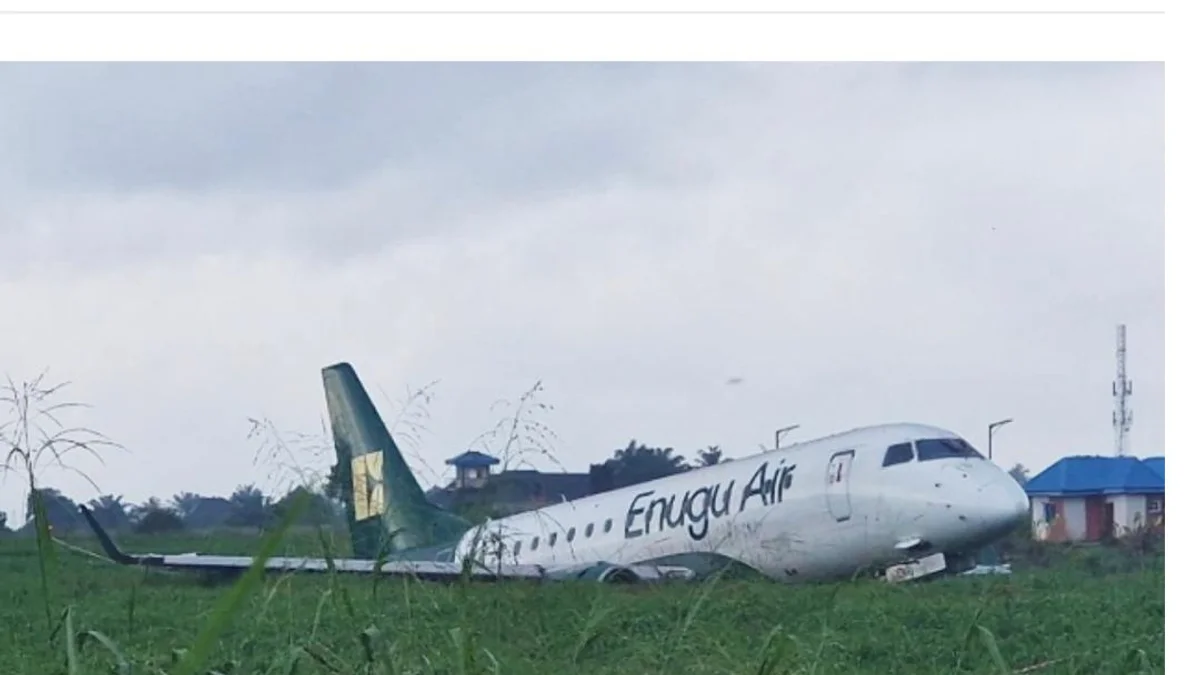
Autobrake Failure Contributed to Enugu Air’s Benin Runway Overrun - NSIB

NLNG, NCDMB Boost Engineering Research with Innovation Centre
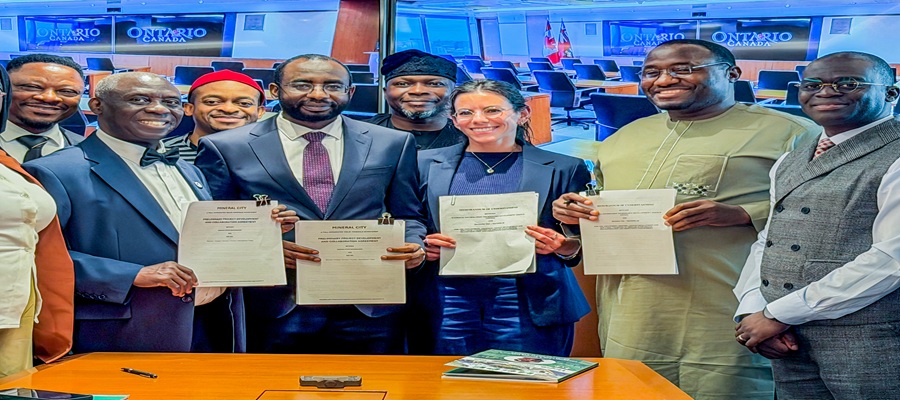
NITDA Seals Strategic Deals with Goose FL and Fireflies AI to Power $1 Trillion Digital Economy Vision
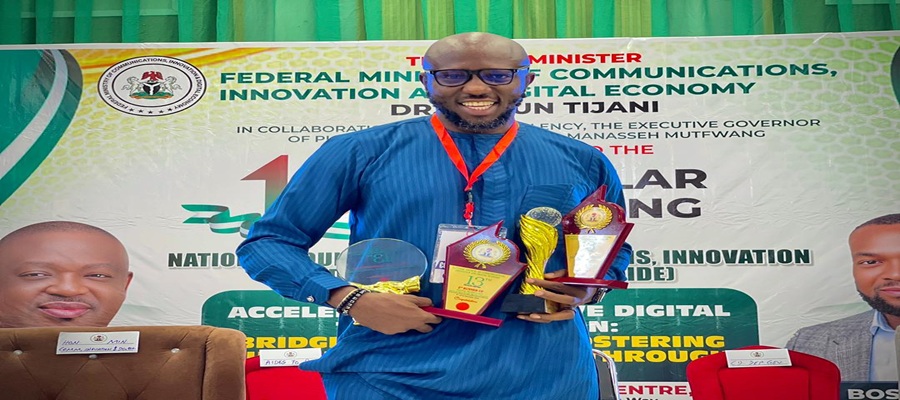
Anambra Seeks Digital Inclusion in Rural Communities