Prof. Chukwuma Soludo, governor, Anambra State, has approved an indefinite ban on graduation ceremonies in kindergarten, primary and secondary schools across the state as part of efforts to reduce the financial burden on parents.

The directive was confirmed by Dr. Law Mefor, commissioner for Information and Value Reformation, in a statement issued on Friday.
According to the commissioner, the government deemed it necessary to clarify the policy following public inquiries and concerns over the scope of the ban.
Mefor explained that the directive applies to all graduation-related ceremonies in both public and private schools across the state.
He said the ban covers events described as graduation, passing-out, crossover or any other ceremony organised to mark the completion of kindergarten, primary or secondary school levels.
The government said the decision was taken to discourage unnecessary financial obligations often imposed on parents through elaborate school celebrations.
The commissioner clarified that students completing Senior Secondary School (SS3) are exempt from the directive.
However, he stressed that graduation ceremonies for SS3 students are not compulsory and may only be held without imposing any financial burden on students or their parents.
According to him, schools choosing to organise such ceremonies must ensure that no levies, compulsory contributions or hidden charges are demanded from parents.
Mefor warned that the state government would not hesitate to sanction any school that violates the directive.
He said schools found organising prohibited graduation ceremonies or imposing illegal charges on parents risk severe penalties, including possible closure.
The commissioner urged school proprietors and administrators to comply fully with the directive in the interest of parents and the education sector.
The state government said the policy is part of broader efforts to make education more affordable and eliminate unnecessary expenses associated with school activities.
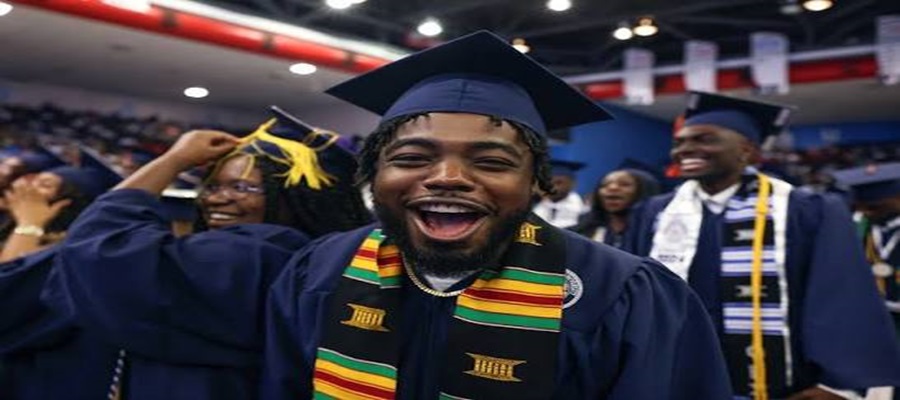
Many parents have previously complained about the increasing costs of graduation ceremonies, including compulsory levies for gowns, entertainment, souvenirs and other related expenses.
The government expressed optimism that the directive would ease the financial pressure on families while encouraging schools to focus more on academic excellence than ceremonial activities.