The international aviation community said it is less satisfied with the direction that fuel prices have taken since 2011.
Only last year, the industry fuel bill totaled $209 billion, which was about $33 billion higher than in 2011, “and this year we are expecting to pay an additional $7 billion, said Tony Tyler, director general and chief executive officer, International Air Transport Association (IATA).
Speaking at Aviation Fuel Forum in Berlin, Tyler bemoaned that fuel now represents 33% of operating budget in the industry and the consensus forecast in March was for jet fuel to average $130 per barrel, which is $3 more per barrel than in 2008-when the industry was nearly brought to its knees by the oil bubble.
“In recent weeks,” he said, “We have seen some easing of prices, nevertheless, they remain worryingly high when measured against historical averages.
“On the plus side, while in 2008, the industry sustained a net loss of 4.6% of revenues, equivalent to $26 billion, the forecast for 2013 is for a modest net profit of 1.6% of revenues, equivalent to $10.6 billion. Owing to the structural changes and efficiency gains achieved over the past several years we are keeping our heads above water, but just barely. If I can borrow the punch line from an old joke, I would say: “Fuel--we can’t live with it and we can’t live without it!
“And while cost and global supply are subject to external market forces, we must work together to ensure that it remains safe and reliably available at airports around the world, and we should do all we can to use it responsibly, in line with our obligations to the environment. This was our agenda in 2011 and it is our agenda today”.
On safety in the air, Tyler said reemphasized that safety is the industry’s most important priority. “After the Surabaya scare and the subsequent fuel contamination issue in Tel Aviv, the industry took quick action in responsibly supported, I might add, by the members of this forum, who contributed to the formation of three expert groups to address the issues that were identified.
“The result was the publication last year by the International Civil Aviation Organization (ICAO) of the Manual on Civil Aviation Jet Fuel Supply, providing standards, best practices and procedures to safeguard fuel quality throughout the supply chain—from the refinery to when it is delivered into the aircraft.
He said the Association is working through the IATA Fuel Quality Pool (IFQP) and Joint Inspection Group (JIG) to identify synergies and increase transparency of jet fuel quality inspections. “In that vein, on 30 April IFQP and JIG performed a trial audit of the fuelling facilities at Queen Alia International Airport in Amman, Jordan, This airport was not previously covered by either inspection group. This is an important first step toward developing a program that could help to better utilize the expertise and resources so that we could have greater coverage of airports worldwide. I would like to offer my personal thanks to the authorities in Amman who allowed this to happen at short notice,” the IATA DG added.
He also hinted on ‘Global Fuel Alert Database’, which the industry agreed to launch after the Surabaya and Tel Aviv incidents. He said: “Working with Airlines for America we have made excellent progress and expect this to be live soon. You will learn more about this important project during the workshop this evening”.
However, disruptions in jet fuel supply at airports can be very expensive as it forces airlines to tanker extra fuel, restrict payloads or even cancel flights. From service and budget perspectives, these are not acceptable options. IATA and airlines have been working with governments to address areas with persistent supply disruption problems and we have achieved some notable successes.
Aviation Industry 2013 Jet Fuel Spending To Increase by $7Bn
cwadmin9 May 20130 Comments
The international aviation community said it is less satisfied with the direction that fuel prices have taken since 2011. Only last year, the industry fuel bill totaled $209 billion, which was about…
c
Published by
cwadmin
Trained and practicing journalist passionate about telecommunications, fintech, cybersecurity, and digital economy reporting.
You May Like

U. S. Mission Nigeria Celebrates Azih, Nigerian for Fintech Innovation
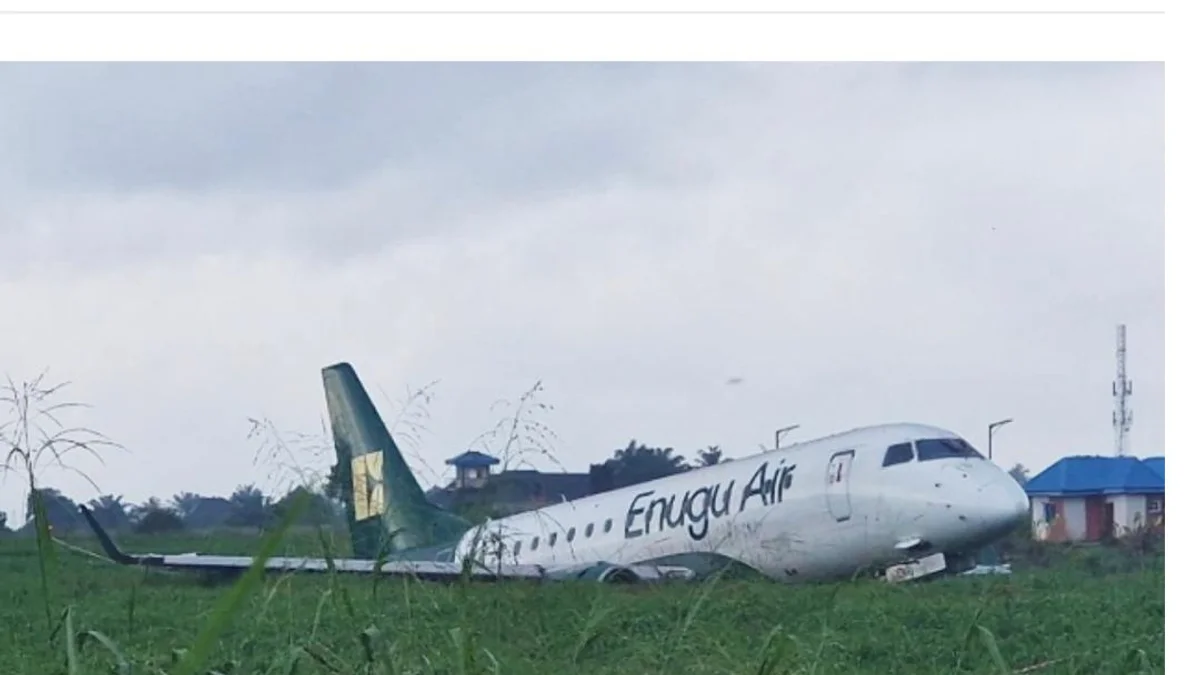
Autobrake Failure Contributed to Enugu Air’s Benin Runway Overrun - NSIB

NLNG, NCDMB Boost Engineering Research with Innovation Centre

NITDA Seals Strategic Deals with Goose FL and Fireflies AI to Power $1 Trillion Digital Economy Vision

Anambra Seeks Digital Inclusion in Rural Communities