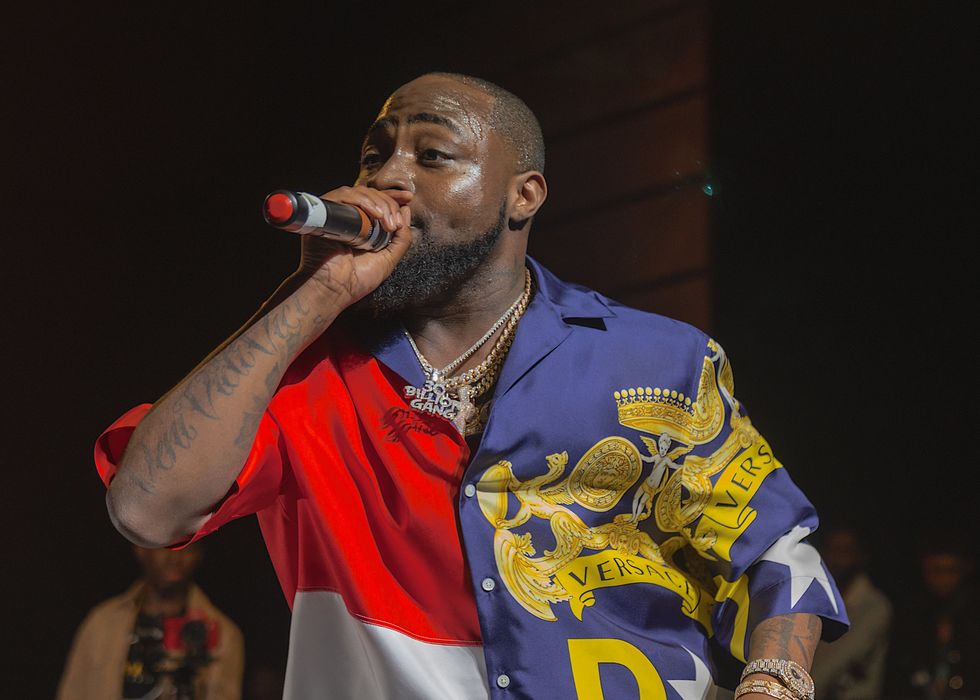
When M-Net announced the take-off of the current season of its reality show, Big Brother Africa: The Revolution, a lot of TV viewers speculated on the turn the show would take. We expected drama, intrigues and plenty of fun. We were aware there would be 40 cameras and 100 microphones, double the amount in the previous seasons. We were told there would no longer be shower hour, one of the key attractions of the show in the recent past. We were equally informed that instead of 12 housemates, there would be two additions from Ethiopia and Mozambique. What else is there to expect? Not a few thought this current season would be a bore. We were in for a surprise!
From the blast of the whistle on Sunday, September 6, Africa has been exposed to the creativity inherent in the nature of people on the continent. Beside the huge opportunity for bonding among Africans, BBA presents us with a template to gauge our diversity and individual uniqueness.
The fourth season has been magnificent in terms of programming content, planning, and execution. Without the shower hour, the season has not been a bore. Big Brother is now a female voice as opposed to the usual deep male voice. Week One began with male housemates only, as Big Brother introduced a twist through the twins, Namibian Edward and Erastus - who swapped places regularly.
After a week, Big Brother introduced the female housemates. They were 12 in all with Zambia and Angola and Nigeria having two housemates each. Total number of housemates came to 25 with only Namibia and Nigeria having 3. The ladies spent their first week separated from the other male counterparts, and watched the male housemates on the TV screen while the males had no idea there were females in the house. The wall, which separated the housemates gave way after two full weeks of the commencement of the show.
Hardly had they settled down than the struggle for survival began. The ladies planned to ensure all males were kicked out of the house first, which they thought would guarantee a woman winning the season’s prize now double the previous amount. With their gameplan intact, the ladies felt safe until they mingled with the boys and the alliance started to suffer a crack.
It has been drama all the way. Just 7 days in the house, Kenya’s Teddy and the only Ghanaian housemate, Wayoe, were evicted at the point female housemates were making their entrance. The ladies equally had their turn of the quirk fate as Zambian Maggie and Angol’'s Edna were evicted at the point of uniting with the male housemates.
To cushion the effect of their eviction, Big Brother had earlier given each housemate $2, 500. Should housemates play safe and observe all house rules, they have a chance of increasing the amount in their moneypots. If they failed tasks or commited an offence like not wearing their mikes correctly or whispering, the money will be reduced. All the evicted housemates have left with some money left in their pots.
Another Big Brother Revolution drama was the 'comrade-in-arms' alliance, which led to the pairing of housemates. The comradeship shattered the previous alliances in the house but helped in forming new ones.
Big Brother Revolution also introduced a Molotov Cocktail, a vendetta gift by an evicted housemate to any of the remaining housemates. Since its introduction, all kinds of Molotov cocktails have been thrown into the house.
While the current season has been a huge hit with the fans across Africa, Nigeria seems to be the most favored country in the permutation for the season’s ultimate prize of $200,000. Three Nigerians joined 22 other contestants across Africa and have ended up in the Top 10. Kevin, Geraldine, and Nkenna have played the game the best way they could, and have succeeded in keeping the flag flying.
BBA Revolution: Twist, Thrills, Intrigues and Nigerian Flavour
Comms Week17 Nov 20090 Comments
When M-Net announced the take-off of the current season of its reality show, Big Brother Africa: The Revolution, a lot of TV viewers speculated on the turn the show would take. We expected drama,…
C
Published by
Comms Week
Trained and practicing journalist passionate about telecommunications, fintech, cybersecurity, and digital economy reporting.
You May Like
Diplomatic OPJ, Popular Radio jJurnalist is Dead
Omotosho, MultiChoice Boss Says Her Company Business Extends beyond Entertainment

Enugu Air Becomes AFRAA’s 50th Member, Eyes Regional and International Routes

NBC Warns against Disinformation, Hate speech Ahead of 2027 Polls

CNN, Dangote Partner for Multiyear Campaign, New Show Africa Inc