Officially, Nigeria is swimming in an ocean of bandwidth with the avalanche of undersea cable systems each with landing points on the shores of the country but many Nigerians are still without a drop of the roaring ocean.
This is a typical case of starving in the midst of plenty. Those that do not have broadband access wonder why so much emphasis is placed on availability, and why Internet access is so important.
The big noise about broadband internet began with the ambitious projects launched by Main One and Glo 1, two home grown companies driven by patriotism to make internet truly ubiquities and affordable.
Elsewhere, the West African Cable System (WACS) - an initiative operated by nine countries (including Nigeria’s MTN Group) is expected to bring extra bandwidth when it begins commercial operations soon.
Before the flood of undersea cable systems, the only cable system serving Nigeria’s internet and data needs was the SAT-3/WASC or South Atlantic 3/West Africa Submarine Cable.
Incidentally, the 14 000km WACS is the first new sub-sea telecommunications cable along Africa’s West coast since SAT-3 was launched 11 years ago
There is also the ACE submarine cable system covering Nigeria and other countries.
Since the arrival of some of these cable systems, there have been noticeable drop in prices of connectivity as well big improvement in delivery of bandwidth.
But many Nigerians are still without access to cheaper internet services because the absence of so-called last mile infrastructure which can distribute the bandwidth.
Apart from absence of last mile infrastructure, the obstacles confronting broadband penetration in Nigeria are legion.
They include; lack of policy framework for broadband infrastructure development; Nigeria’s notoriously unreliable power supply; claim of right of ways by local and state governments; multiple regulation and taxation.
As a matter of fact, about 70 per cent of the problems encountered by the telecom sector with its broad implications for development of broadband infrastructure are public power supply related.
The recent activities and threat of the Boko Haram, the Islamist fundamentalist sect in the northern parts of the country has also conspired to limit investments in some places in the region.
Broadband is the next big thing and Nigeria cannot afford to lag behind.
Nigeria needs to break through the policy and environmental barriers for broadband deeper penetration.
Broadband represents huge opportunities for social and economic progress of Nigeria because it facilitates the delivery of more effective healthcare and banking, better education, smoother and more transparent governance, sustainable environment, more efficient transportation, national security, as well as smarter and more economical energy supplies.
Nigeria as a country can add about $5.55 billion to its annual gross domestic product by 2015 if it implements judiciously the rollout of broadband across the country.
It also needs to unlock the 2.6GHz spectrum quickly to support the high demand for mobile broadband in the urban areas.
The government should release the digital dividend spectrum to deliver broadband services to rural areas and reduce the tax level faced by Nigerian mobile operators.
Blessing & Curse of Undersea Cable Initiatives
cwadmin7 May 20120 Comments

Officially, Nigeria is swimming in an ocean of bandwidth with the avalanche of undersea cable systems each with landing points on the shores of the country but many Nigerians are still without a drop…
c
Published by
cwadmin
Trained and practicing journalist passionate about telecommunications, fintech, cybersecurity, and digital economy reporting.
You May Like

U. S. Mission Nigeria Celebrates Azih, Nigerian for Fintech Innovation
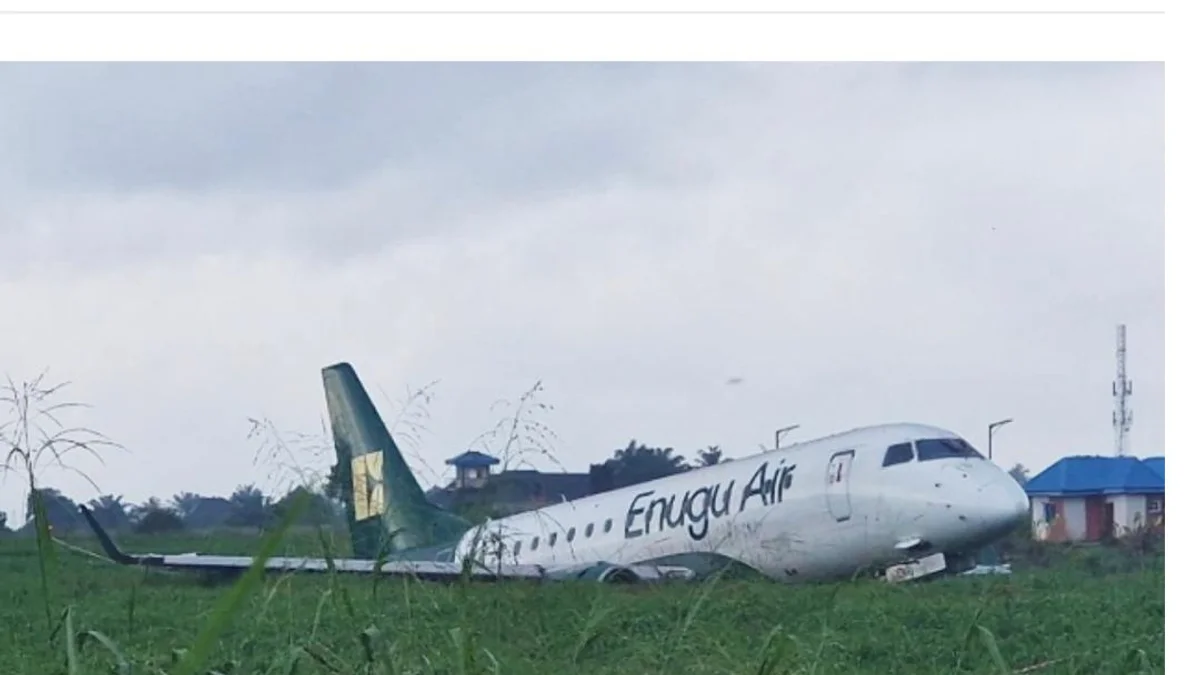
Autobrake Failure Contributed to Enugu Air’s Benin Runway Overrun - NSIB

NLNG, NCDMB Boost Engineering Research with Innovation Centre
NITDA Seals Strategic Deals with Goose FL and Fireflies AI to Power $1 Trillion Digital Economy Vision
Anambra Seeks Digital Inclusion in Rural Communities