The Institute of Information Management (IIM) Africa collaboration with the Records and Information Management Awareness (RIMA) Foundation, have called on stakeholders, particularly the Independent Electoral Commission (INEC), political parties and the media, to adhere strictly to the effective management of electoral processes and information, as part of their civic responsibility.
The duo made the call during a -one day Public Lecture with the theme: ‘Effective Management of Electoral Processes and Information: Roles and Responsibilities of INEC, Political Parties, Press and other Stakeholders’, to remind the stakeholders of their roles the citizens.
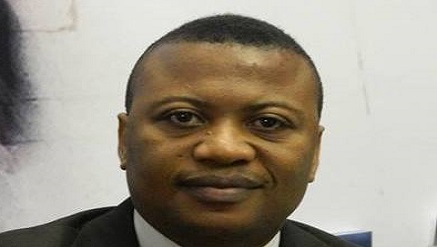
Speaking on the topic, Dr Sina Fagbenro-Byron, regional coordinator, SW DFID Nigeria, said that it is in the national interest that the elections are well administered and independently observed, with the full participation of all eligible voters, a low risk of violence, with the outcome broadly reflecting the wishes of the electorate.
Fagbenro-Byron, aligned his thought with the widely agreed views by analysts, experts and informed objective observers that, holding elections in Nigeria presents many challenges, including but not limited to: the large size of the electorate, the limited infrastructure, low literacy levels, and an environment that is characterised by violence and excessive patronage.
The Guest Lecturer also said that complex ethnic, religious and geographical divides, are part of the challenges faced in the country during elections.
He said, “An impressive democratic aspiration evident in the general population has been somewhat frustrated by successive elections, which have been regarded as highly problematic.
“Despite the challenges, however and since 2007, some significant improvements in the management and delivery of elections have been registered in all the stages of the electoral cycle. The electoral management body itself, INEC has undergone some internal improvements particularly in regards to the decentralised distribution of election material and discontinuation of the practice of using ad hoc polling staff; the judiciary has become more efficient in the speedy discharge of electoral causes and matters (Presidential Elections tribunal in 2003 took almost 2 years to result; 2007 took about 9 months and 2011, took about 4 months).
“The ordinary Nigerian citizen is more aware and the political parties appear to be getting more concerned with getting to know and responding what the people want. Delivering a credible election means ensuring groups and individuals with a “stake” (stakeholders) in the electoral process are fully satisfied by the manner in which the EMB has administered all procedural and operational aspects of the electoral process. This is critical to the successful performance and fulfilment of the EMB’s mandated functions”.
He added that, the more electoral stakeholders satisfied with the work and outcome of the administered electoral process, the more credible and reputable the EMB becomes.
According to the International Foundation for Electoral Systems (IFES), “Organizing an election is an extremely complex endeavour, as it involves dealing with multiple administrative and logistical issues and operations. An election may be defined as the largest, most costly and most administratively and logistically burdensome operation at a national level that a single country could ever undertake in times of peace.
Fagbenro-Byron enumerated, aside from administrative and logistical operations, organizing an election is a timebound and strictly regulated process such as multiple operations are run simultaneously all over the country; legal deadlines cannot be missed; limited financial resources for the electoral process must be allocated quickly, effectively and transparently; key operational and procedural decisions must be made quickly, with transparent standards and in full compliance with the established legal framework and operations exposed to security sensitivities may generate potential for political conflict.
He however, noted that, there are still several challenges which threaten the successful deepening of democracy in Nigeria.
“There is yet the fundamental issue of mutual trust amongst stakeholders and the apparent limited public confidence in the institutions and organisation charged with ensuring the proverbial ‘level playing field’. In this case the confidence that a reasonably good chance of fair participation may be eroded in the minds of the citizens.
In a nutshell, Fagbenro-Byron said that, all general elections are important and mark watersheds in the life of a nation, nevertheless the 2015 general elections, which will be held in a matter of weeks from today will be quite significant, too many and too controversial for us to go into in this paper and at this forum.
Building peaceful states and societies includes supporting the emergence of inclusive political settlements.
“It stresses the importance of allowing different groups in society to participate in the political process on equal terms, to prevent exclusion from becoming a source of conflict and fragility. One of the fundamental causes of political exclusion is the deliberate or unintended selective dissemination of information while equal access to adequate and accurate information amongst the wide diversity of stakeholders will help to ensure political inclusion. A hallmark of countries that fail is their inability to build and sustain inclusive political and economic institution”, he said.
#Elections2015: IIM-Africa, RIMAF Seek Effective Management of Information
Comms Week7 Feb 20150 Comments
The Institute of Information Management (IIM) Africa collaboration with the Records and Information Management Awareness (RIMA) Foundation, have called on stakeholders, particularly the Independent…
C
Published by
Comms Week
Trained and practicing journalist passionate about telecommunications, fintech, cybersecurity, and digital economy reporting.
You May Like
Releasing President Tinubu’s Records Can Endanger Lives – FBI

Tinubu Orders Arrest of Nwabueze, Head of Another Fake Agency, Suspension of 3 Perm Secs
How AI, Poor Governance Aid Transnational Scams —UNODC

Access to Equipment, Specialists Key to Survival of Preterm Babies — Haven Pediatric CMD

Shell Reinforces Safety Commitment @ CEO Contractors Forum