The recent DStv pricing dispute in Ghana has underscored the volatile intersection of consumer protection, political manoeuvring, and multinational business operations.

According to myjoyonline.com, the saga reached its peak after Sam George, communications minister, demanded a price reduction for subscribers, citing public frustration over high fees.
Pointing to the improved performance of the Ghanaian Cedi, the Minister argued that MultiChoice, the parent company of DStv, was exploiting Ghanaian consumers with prices out of step with regional realities.
The Minister’s position resonated with regional calls for fairer pricing, following similar regulatory confrontations MultiChoice has faced in Nigeria and other major markets.
In July 2025, George proposed a 30% reduction, even threatening to suspend DStv’s broadcasting licence.
MultiChoice initially rejected the demand as “untenable,” warning that forced cuts would undermine service quality and jobs.
The standoff ended with a new arrangement announced on Monday, September 29.
From October 1, DStv subscribers in Ghana would automatically receive upgraded packages at no additional cost.
For example, those on the Pady bouquet (GH¢59) were upgraded to the Access bouquet (GH¢99), gaining 35 more channels.
The move offered subscribers an estimated 33% to 50% more value, depending on their package.
While Minister George described the deal as “more services for less,” MultiChoice later confirmed the agreement and apologised for earlier confusion in its communications.
However, the “unprecedented” offer is structured as a three-month promotional package, sparking criticism that it falls short of the promised 30% price cut.
The sharpest criticism came from the opposition New Patriotic Party (NPP), whose lawmakers dismissed the Minister’s handling of the matter as “arrogant” and ineffective.
Mathew Nyindam, Ranking Member of Parliament’s Communications Committee, accused the Minister of failing to deliver a real price cut and called for his dismissal.
NPP commentators also accused the governing National Democratic Congress (NDC) of hypocrisy, pointing to previous periods under Nana Akufo-Addo when DStv tariffs rose with little intervention.
They argued that the Minister’s combative approach was more about scoring political points than securing sustainable consumer relief.
Despite the political disputes, Ghana’s outcome sets a significant precedent in Africa.
MultiChoice has long battled regulators in Nigeria, Kenya, and Uganda over price hikes, but none have secured an agreement on this scale.
The Ghana deal, which offers subscribers up to 50% more content for the same price, is described by the Minister as “unmatched anywhere else in Africa.”
Analysts suggest the move will put pressure on other governments to demand similar concessions from dominant multinational service providers, potentially reshaping regulatory expectations in the pay-TV industry across the continent.
DStv’s market dominance rests heavily on its exclusive rights to premium sports, especially the English Premier League.
Yet, competition is intensifying.
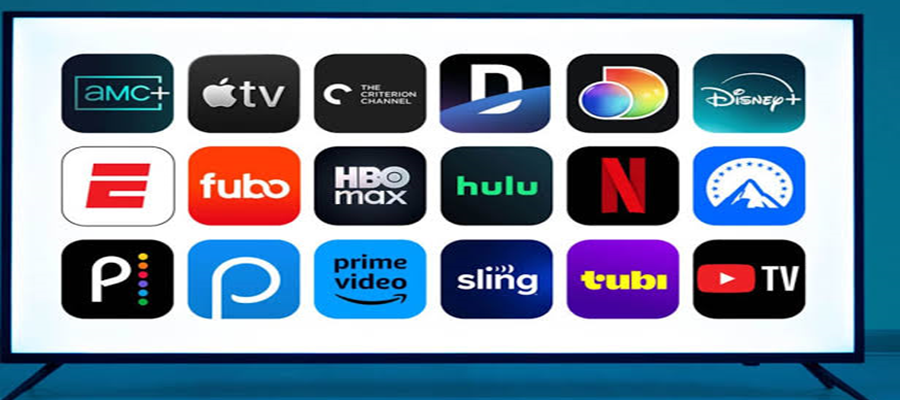
Rivals such as StarTimes and GoTV offer cheaper packages, while streaming services like Netflix, Amazon Prime, and MultiChoice’s own Showmax present growing alternatives.
The value-upgrade arrangement is seen as a defensive strategy by MultiChoice to maintain revenues without cutting prices outright. By offering additional channels rather than lowering costs, the company protects its core business model while appearing responsive to consumer concerns.
For many Ghanaian families, DStv is both a luxury and a cultural staple, particularly for football.
The new arrangement provides short-term relief.
“This upgrade means I can finally watch more than just the news for the same money I’ve been paying,” said Kojo Mensah, a Kumasi-based technician. But the temporary nature of the promotion leaves questions about long-term affordability.