Broadcasting
Nigeria Commits to Domestication of Beijing Treaty on Audiovisual

Nigeria, in the ongoing reform of its copyright system, is taking steps towards the domestication of the provisions of the Beijing Treaty on Audiovisual Performances, which came into force on 28th April 2020.

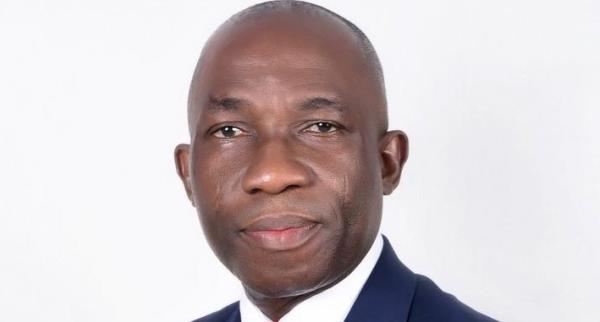
Mr. John O. Asein, Director-General of Nigerian Copyright Commission (NCC), disclosed this in his opening remarks at a Webinar with the theme: Strengthening Nigeria’s Creative Sector through Improved Rights for Artists and Performers, to mark the coming into force of the treaty.
Expressing concern over the loss of revenue in the audiovisual industry, he assured that the Commission would work with the guilds, associations and collective management organisation in the industry to develop appropriate mechanisms to ensure greater return on creative investment.
He noted that such interventions would necessitate looking into various aspects of the industry, including engagement contracts, distribution bottlenecks, online abuses and rights management issues.
The Director-General reaffirmed the Commission’s commitment to improving the protection available to audiovisual performers, especially “in today’s digital environment where copyright works are easily retransmitted on various online platforms often without recourse to the right owners or the performers.”
Noting that Nigeria’s film industry ranked among the top three in the world, he expressed worry that the ranking has not translated to real economic benefit and enhanced status for the performers “who stand before the lights and cameras transforming scripts to action”.
Mr. Asein expressed sadness that in recent times, well-known film and television actors faced with health challenges have had to appeal to the public for assistance which often came in trickles or a little too late.
“The current global pandemic has further amplified the vulnerability of creators – authors, musicians, actors and other performers – and it underscores the need to have a fallback system to sustain them beyond their active years and especially in time of economic downturn. These are people who generate or bring life to the copyright works that we enjoy but in most cases they do not have access to any form of pension or gratuity”, he stated.
The Director-General who congratulated member states of WIPO despite the fact that the Treaty was coming into force about eight years after its conclusion in June 2012, urged participants at the Webinar to provide “initial thoughts on how the balanced application of the provisions of the Treaty could help Nigeria achieve its laudable objectives.”
The Beijing Treaty on Audiovisual Performances was adopted by the Diplomatic Conference on the Protection of Audiovisual Performances, which took place in Beijing from June 20 to 26, 2012.
The Treaty modernises and updates for the digital era the protection for singers, musicians, dancers and actors in audiovisual performances. It upgrades the Rome Convention for the Protection of Performers, Producers of Phonograms and Broadcasting Organizations (1961) and complements the WIPO Performances and Phonograms Treaty (WPPT), which updated protection for performers and producers of phonograms.
The Beijing Treaty encompasses the performances of actors in different media, such as film and television, and also includes musicians when their musical performances are recorded in a DVD or any other audiovisual platform. It grants performers economic rights in fixed and unfixed performances, as well as certain moral rights.
Under the Beijing Treaty, performers are accorded four kinds of economic rights for their performances fixed in audiovisual fixations, namely the right of reproduction; the right of distribution; the right of rental; and the right of making available.
The Treaty obliges each contracting party to adopt, in accordance with its legal system, the measures necessary to ensure the application of the Treaty, including ensuring that enforcement procedures are available for effective action against any act of infringement of rights.
Broadcasting
MultiChoice Talent Factory Calls for Entries Into Fully Funded Film Training Programme

MultiChoice Talent Factory (MTF), a Pan-African film and television training institution, has announced the opening of applications for its 2026 intake.

MultiChoice
The fully funded programme is open to African graduates aspiring to become directors, filmmakers, scriptwriters, producers and storytellers.
According to MultiChoice, the nine-month accredited curriculum combines online learning with intensive in-person training, and is designed to balance theoretical knowledge with practical immersion.
MTF academies are located in Kenya, Nigeria and Zambia, and serve aspiring filmmakers from 14 African countries. Since its inception in 2018, the initiative has trained 296 filmmakers, with graduates producing more than 42 movies aired on DStv, GOtv and Showmax platforms.
Organisers said alumni of the programme have gone on to establish over 50 production companies, while many continue to work within the MultiChoice ecosystem.
Graduates have also won accolades at the Africa Magic Viewers’ Choice Awards, Kalasha Awards, Uganda Film Festival and Women in Film Awards.
Applications for the 2026 intake close on Feb. 27, 2026. Interested candidates can visit https://apo-opa.co/3XW53oE for programme requirements.
Broadcasting
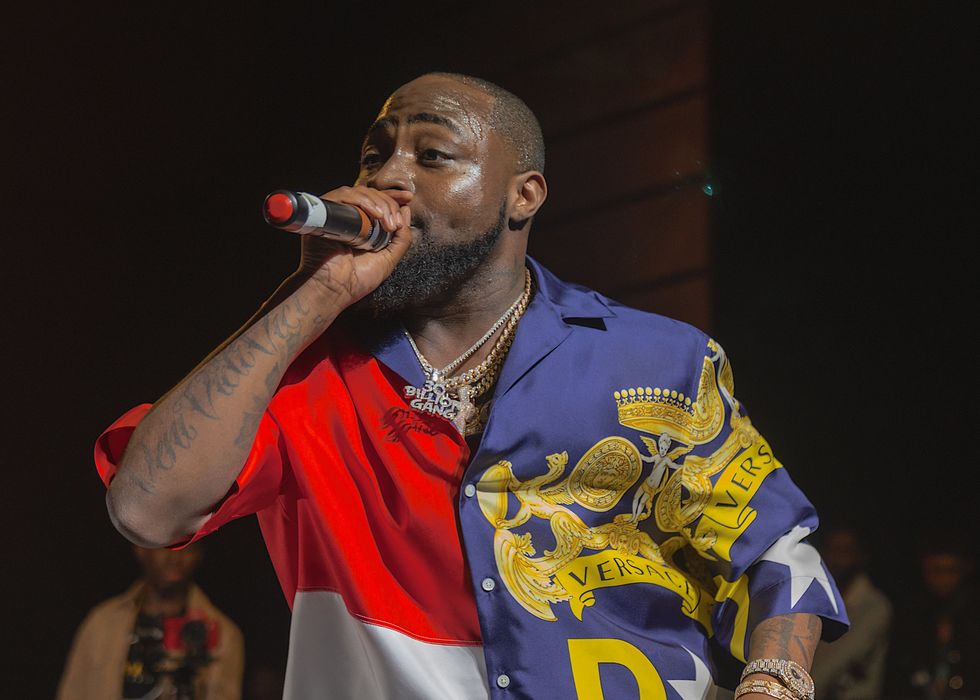
Davido, Babajide Sanwo-Olu, Karl Toriola, Others To Be Honoured At The Most Influential People of African Descent Awards In Lagos

Most Influential People of African Descent (MIPAD) is excited to announce the Lagos Diaspora Experience 2025, a week-long celebration of African art, culture, innovation, and connection, culminating in the End of the Year Awards & Celebration on Sunday, December 21st, 2025, in Lagos, Nigeria.

The Most Influential People of African Descent Awards
This historic occasion marks the first time the world-famous Most Influential 100 Recognition & Awards Ceremony—traditionally held in New York on the sidelines of the United Nations General Assembly (UNGA)—will be hosted in Lagos, Nigeria.
The week will feature events such as Diaspora Day at the Fela Exhibition (Afrobeat Meets Diaspora), Cultural Heritage Day, and Business Leadership Luncheons, all culminating in the awards celebration.
The evening will honor the Best & Brightest of the Year, recognizing exceptional individuals and institutions whose work has advanced Global African Achievement and Black Excellence across business, government, media, culture, and technology.
Key Recognitions for 2025
– Governor of the Year & City of the Year: His Excellency Babajide Sanwo-Olu, Governor of Lagos State, honored alongside Lagos as City of the Year for its global leadership in culture, innovation, tourism, and diaspora engagement.
– Her Excellency Hannatu Musa Musawa, Minister of Art, Culture, Tourism and Creative Economy, will be honoured as Minister of the Year for her contribution to the creative economy’s role in nation branding and cultural diplomacy.
– Most Influential Woman of the Year: Olorì Atúwàtse III, Queen Consort of the Warri Kingdom
– Most Influential Man of the Year: Adewale Tinubu, Group Chief Executive, OANDO
– CEO of the Year: Karl Toriola, Chief Executive Officer of MTN Nigeria; who will deliver a keynote address, recognized for his transformative leadership and impact on Nigeria’s telecommunications and digital economy.
Others include; Karl Toriola of MTN as CEO of the year, Uche Pedro of Bella Naija as Lifestyle Personality Of The Year, Ojy Okpe of Artise News as Most Influential News Anchor Of The Year, Stephanie Busari as Media Executive of the Year, Kayode Okikiolu as Pressman of the year, Davido as Artist of the year and several others.
In celebrating this year’s honorees, Michael Ehindero, Managing Director, Pernod Ricard Nigeria, owners of Martell Cognac, who emerged as Brand Of The Year expressed deep appreciation for the brand’s continued global recognition, saying: “It’s a great reward for the team who’s delivered Martell excellently in Nigeria over the years.
“We say thank you to the teams, we say thank you to our consumers and we say thank you to MIPAD.
“Martell has a lot of promising experiences in the years to come in Nigeria and with this we invite you over to Nigeria to experience Detty December”.
The ceremony will also celebrate the achievements of the Class of 2025 Honorees, alongside past Nigerian honorees who were unable to attend their year of recognition in New York.
“For the first time, we’re bringing our world-famous recognition platform home to celebrate excellence within the Global Africa Family — right here in Lagos,” said Kamil Olufowobi, Founder & Chairman of MIPAD. “This is more than an event; it’s a movement uniting the best of us — connecting, collaborating, and working together to change the world.”
Event Details
📍 Lagos, Nigeria
– Friday, Dec 19 – #DettyDec Diaspora Day at Fela Exhibition FREE
– Sunday, Dec 21 – End of Year Recognition & Award Ceremony STRICTLY BY INVITATION
🎟️ RSVP: https://rsvp.oakenevents.com/mipad
Broadcasting
NCC Blocks Piracy Sites as Nollywood Faces Rising Digital Theft

Nigerian Copyright Commission (NCC) has called for urgent adoption of advanced digital protections after blocking seven piracy sites amid escalating online threats to Nollywood content.

The call was made during a webinar hosted by Greychapel Legal titled “Clicks, Streams, and Copyright: Who Owns Nollywood’s Digital Future?”, which brought together filmmakers, regulators, entertainment lawyers and media strategists to examine how content ownership and copyright enforcement are being reshaped by the digital age.
Lynda Alphaeus, director and head of the NCC Lagos Office, said the Commission has intensified its efforts to combat piracy across digital channels and is upgrading its operations to meet emerging threats.
According to her, Nigeria’s new Copyright Act was deliberately updated to strengthen creators’ rights amid the explosion of online distribution.
“NCC has worked, and is still working tirelessly to adapt Nigeria’s legal framework to cope with digital distribution challenges. We now have the power to block networks publishing illegal content, and we have already blocked seven websites distributing pirated Nigerian works,” Alphaeus said.
She revealed that the Commission has established a special taskforce known as the STOP Unit to coordinate anti-piracy operations online, alongside new awareness campaigns targeting local markets and schools to educate content creators and the public on copyright obligations.
Alphaeus urged filmmakers and producers to take ownership of their digital safety by deploying available technological protections to safeguard their intellectual property.
She explained that tools such as encryption help prevent unauthorised copying, blockchain technology offers immutable proof of ownership, digital watermarking allows creators to trace illegal uploads, while cloud security and regular offline backups protect creative files before they reach the market.
While noting that copyright in Nigeria does not legally require registration, she stressed that registering one’s work strengthens protection and provides legal presumptions that can be vital in enforcement.
“Whatever you register is presumed to be yours until proven otherwise,” she said, urging creators to invest in copyright knowledge as part of their business strategy.
Other speakers at the webinar reinforced the urgency of protecting Nollywood’s digital assets.
James Omokwe, film director, noted that while streaming platforms have created unprecedented opportunities for visibility and monetisation, they have also opened new vectors for intellectual property theft and unauthorised redistribution.
Solafunmi Laelle, media strategist, added that audience data, which streaming platforms rely heavily on, will increasingly determine leverage and value in film licensing negotiations.
According to her, creators who lose control of their intellectual property, whether through piracy or unfavourable contracts, also lose access to valuable data that could shape their long-term earnings.
Nky Ofeimun, entertainment lawyer, emphasised the need for creators to understand the contractual implications of ownership, platform exclusivity, and reversion rights.
She noted that many filmmakers still underestimate how quickly digital copies can be illegally duplicated or uploaded once control is lost.
The panelists agreed that as Nollywood deepens its digital footprint, piracy will continue to evolve and become more sophisticated.
They stressed that the industry must respond with equally sophisticated tools, stronger contract negotiation, and improved education around copyright.
E-Financial3 days agoSupreme Court Clears Fidelity Bank in ₦225bn Sagecom Saga
E-Financial3 days agoPreventing Financial Crimes Amid Mounting Insecurity: Why Following the Money is Now a Survival Imperative
E-Financial3 days agoUnion Bank Clinches Top Workplace Practice Honour at Sustainability Awards
Broadcasting2 days agoDavido, Babajide Sanwo-Olu, Karl Toriola, Others To Be Honoured At The Most Influential People of African Descent Awards In Lagos
News2 days agoSiBAN New Executive Council to Champion Vision for Nigeria’s Digital Economy
E-Financial2 days agoTax Reform or Financial Exclusion? The Trouble with Mandatory TINs
General News2 days agoNITDA DG Calls for Innovation-Led Economic Rebirth @ Kano Startup Weekend
Telecom2 days agoNCC Blames NOGASA for Abuja Outage