In 2005 while on my very first visit to South Africa, I noticed two South Africa nations. While the one is welcoming, friendly and easily shares views with distant visitors, the other is visibly agitated and antagonistic to visitors. For obvious reasons the Afrikaans are the least of the people you’d expect to welcome visitors to that enclave, especially when you’re a Nigerian considering the role we played in the anti-apartheid struggle; but here they are quite interested in discussing Nigeria. On the other hand, the large black populations of Zulu, Xhosa form a homophobic block most crudely against Nigerians. Nigerians are for unspecified reasons seen as threat in that nation. My friend Patrick Omorodion, was almost shot dead in 1997 while on official assignment as a sports reporter in that country. He was targeted for being a Nigerian. Back in 2005 my first shock was a black South African asking if we were from ‘Africa?’ Not known for being too cool to stupid comments I told the fella it was great to realize we were in Australia. He looked me straight in the eyes and moved on. But the messages have been shared albeit coded. The Nigeria – South Africa relations have ever remained in that fashion. The recent bilateral spat were inevitable only pending when the bubble will burst. The issues are fundamental and deep rooted. While one played the welcoming ‘big brother’ and accommodated all manner of visitors/investors from its newly freed brother, the other played the ‘benefactor’ brother considered his brother a kind of ‘pest’ to be avoided. South Africa’s political leaders have always reacted negatively to Nigeria and Nigerians. The new black political leadership of South Africa view Nigeria as the country capable of stopping it from the ambition of becoming a UN permanent member. At every given political for a, they do everything to counter a Nigeria move. Since the dethronement of apartheid, its leaders have never seen Nigeria as an ally. Whereas Nigerian political leaders have been naïve to believe they were friends. Recently, in the wake of the Ivorian political imbroglio, South Africa chose to be at parallel with Nigeria and ECOWAS just to prove the point of its continental political leadership. Ditto the recent election in the chair of the Africa Commission where President Jacob Zuma’s ex-wife remains in lock jam with the candidate of Gabon largely supported by the West and Central Africa block. No doubt South Africa remains the continent’s super power in commerce, technology and political leader board due to over 300 years of consistent political-economic engineering by the Dutch-Boer descendants, its new leaders must realize that what has made the new reality possible for them does not lie only the blood of their forebears, but it consumed the blood of other Africans who stood against injustice for them to be enthroned. The Nigerian economy was battered when late General Murtala Muhammed, chose to take Nigeria into the Frontline States. The nationalization of multinationals like Coca Cola, BP, Liver Brothers, Mobil and others was the beginning of Nigeria’s economic meltdown. While Nigeria remains open to South African investors, the same cannot be said of Nigerian investors gaining access in the former apartheid enclave. While working as a PR consultant with an agency in Lagos few years back, I ran a campaign for a Nigerian firm which bid to enter South Africa was blocked, whereas a South African company was allowed to land similar project in Nigeria. The business indiscretion of my then employer led to my unceremonious exit. Nigerians have always fought against the lopsidedness in the bilateral relationship between both nations. Unfortunately previous Nigerian rulers have deferred the issue, not minding even when Nigerians get killed for flimsy jealousy. Didn’t the killer of late South African reggae singer Lucky Dube, confessed in court he killed him in error believing the artiste was a Nigerian? President Goodluck Jonathan must take a look at the issues of both nations from a more introspective view point. Never should Nigeria play the under dog again. In my view, Nigeria should impress it on the South Africans that if they want to invest in Nigeria, then they should re-write their trade policy to accommodate Nigerian investors as well. At the moment, you can only invest in South Africa when you willingly write-off a minimum of 51% of your investment to some idle South Africans. That is unacceptable! There is nothing wrong if South Africans must be part of the investment – they must put down their own Rand to enjoy the dividends. On the lesser side of it, Nigerians (including officialdom) should realize that our ‘big man’ altitude does not work outside our shores. I paid about 50 Rand to get my inoculation at the point of entry in Johannesburg (because someone doing me good unpacked my yellow card at home without my knowledge). It is stated clearly in their rule books that if you do not have the correct yellow card, you’ll pay and get inoculated before entry or in the alternative, you’ll be deported immediately. Both nations cannot do without the other at the moment. South Africans should realize that Nigerians would always come into their country. Most international IT firms have South Africa as their Africa hub and for that Nigerians would always go there either as journalists, investors or just visitors. The evidence of Nigeria – South Africa relations is quite evident here with South Africa firms engaged in IT, telecom, engineering construction, diary farms, hospitality industry and retain market segment. It is in the same measure that Nigerians ask the South African government to open up its market to Nigerian investors to seek greater opportunities in international trade.
Nigeria – SA: Market Leaders as Foes
cwadmin11 Mar 20120 Comments
In 2005 while on my very first visit to South Africa, I noticed two South Africa nations. While the one is welcoming, friendly and easily shares views with distant visitors, the other is visibly…
c
Published by
cwadmin
Trained and practicing journalist passionate about telecommunications, fintech, cybersecurity, and digital economy reporting.
You May Like

U. S. Mission Nigeria Celebrates Azih, Nigerian for Fintech Innovation
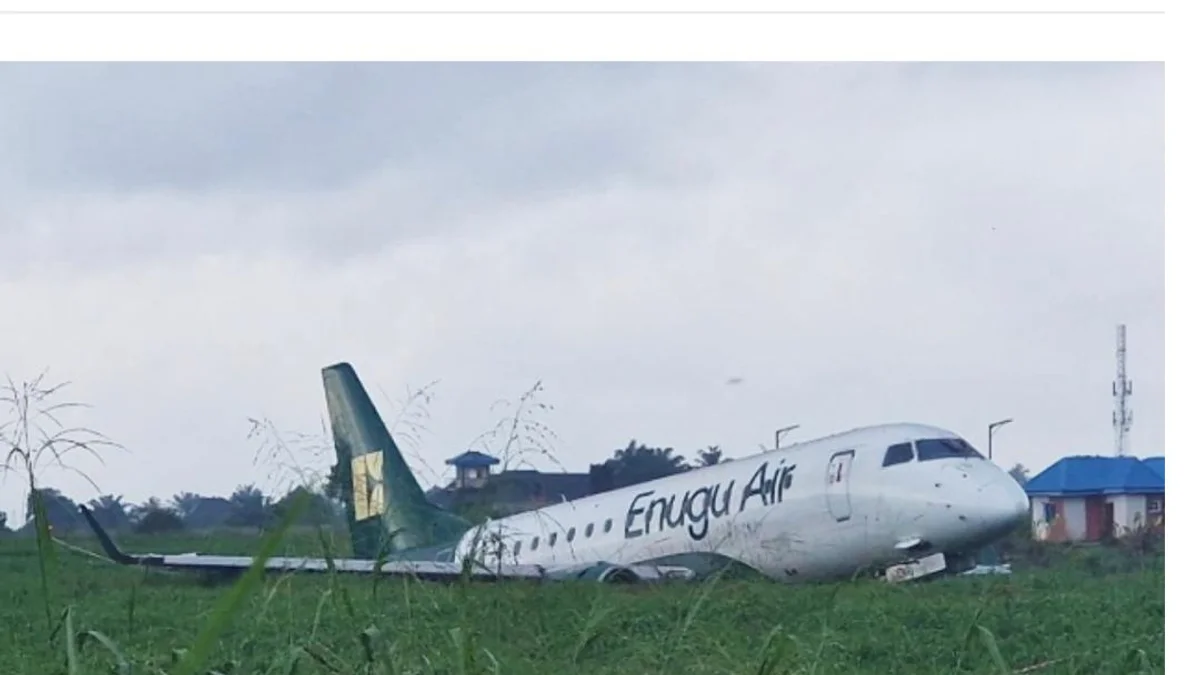
Autobrake Failure Contributed to Enugu Air’s Benin Runway Overrun - NSIB

NLNG, NCDMB Boost Engineering Research with Innovation Centre
NITDA Seals Strategic Deals with Goose FL and Fireflies AI to Power $1 Trillion Digital Economy Vision
Anambra Seeks Digital Inclusion in Rural Communities