Digital money transfer service, WorldRemit, has lofty ambitions for its major expansion plans for other African countries.
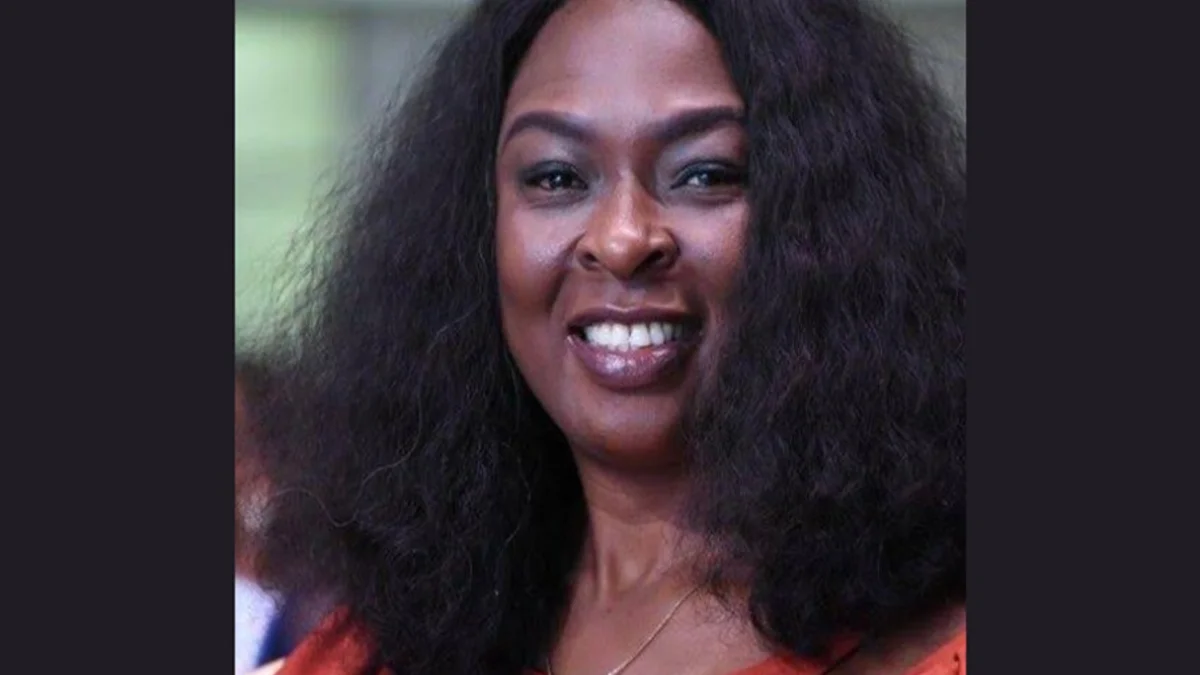
"Globally, the remittance industry is valued at about $600 billion [per year]; that is not business payments or corporate payments, it is individuals sending money to individuals," Andrew Stewart, WorldRemit MD for Middle East and Africa, told journalists.
"In an African context it's valued at about $65 billion. That is the African diaspora that are living and working abroad and sending money back home to family and friends, and that has grown at about 27% on an annualised basis," he said.
WorldRemit already allows money to flow into Africa but has big plans to expand its business on the continent, so that local users can send money through the platform as well. South Africa is the second country in Africa where the company has launched its send service, following Somaliland eight months ago.
"That was our pilot; it was just a lot quicker from a regulator perspective to get a licence and it's going really well so far. Our founder [Ismail Ahmed] is a Somalilander so that was the priority, to be honest. We felt Somaliland would be a really great test bed for us. Actually it's a slightly different market as we are targeting SMEs there."
Next on the launch list is Rwanda, followed by Uganda, Tanzania and Kenya. He said the second phase of expansion will focus on West Africa and the company already has a licence in Zimbabwe.
He added that the current Internet shutdown in Zimbabwe is a worry.
"We are concerned; the Internet is down, banks are shut but our international customers can still send money. The transactions will be pended and held until such time that our partners are open for business again. If customers don't want to go through with the transaction they can get a full refund. Unfortunately, it's a bit of a wait-and-see situation at the moment in Zimbabwe but we are still very much open for business."
The company traditionally focuses on customers who are already banked in some form because the whole platform is digital, which keeps costs down for users. Bank accounts, credit and debit cards are the most usual way for transactions to be funded; however, in Africa, Stewart acknowledges that a lack of financial inclusion could call for other options.
When asked whether it's problematic that the company is leaving out the large unbanked sector in Africa, he agreed that it is.
"The challenge for us is that we don't deal with cash, nor do the regulators want us to deal with cash, that is why our licences are predicated on digital.
"We are looking at other alternative, creative ways but I think it's a little bit down the road. So, for example, we could partner with an institution that offers prepaid. So they might not be physically banked but we could offer them a prepaid top-up proposition. That's the thinking for some other African countries."
He pointed out that for most African countries, receiving money via remittance is more important than sending.
"If you look at a net inflow-outflow, Africa is a net receiver. But Africa is still big; we estimate that formal outflows or intra-flows is about $14 billion, but if you look at the informal it would probably be about $140 billion. But people receiving into Africa is about $64 billion formal and informal probably $200 billion so it's always going to be a net inflow region," he concluded.